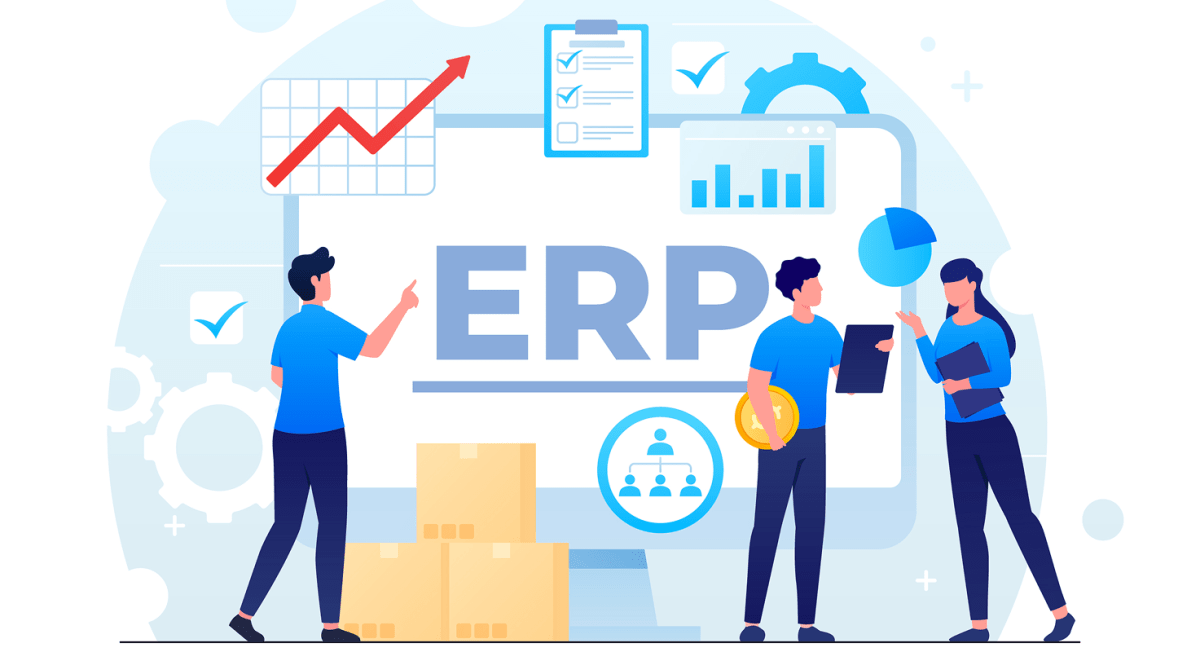
ERP Software For Chemical Industry
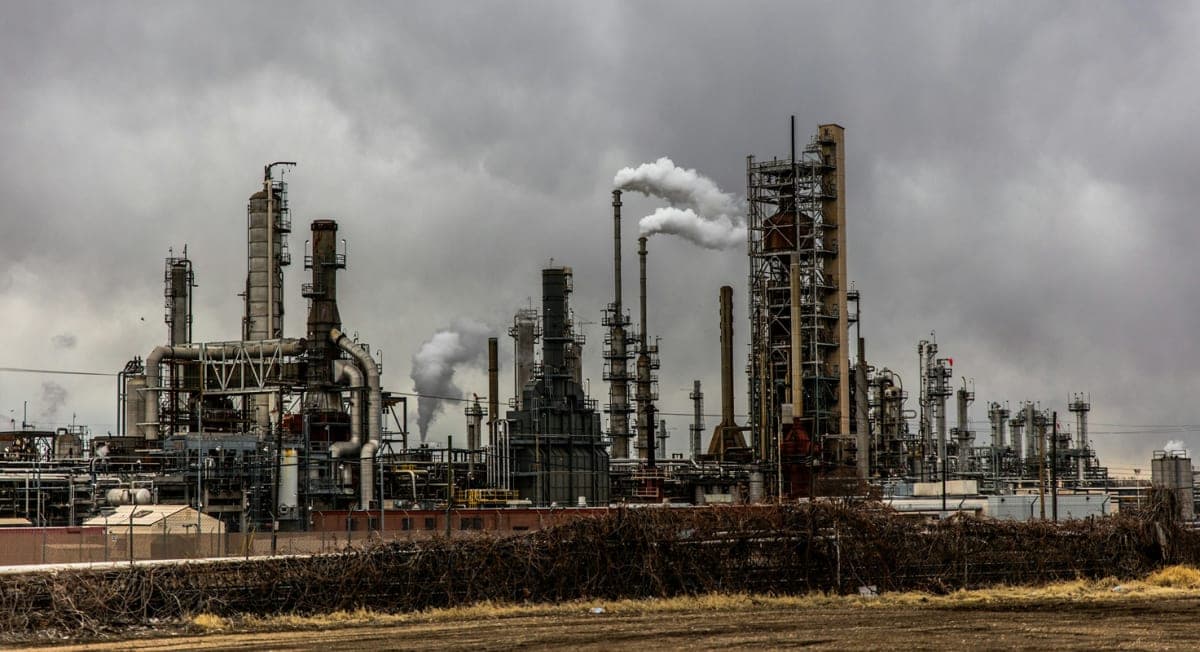
The chemical industry operates in one of the most demanding business environments. Companies must manage complex formulations, strict regulatory requirements, hazardous materials, quality standards, inventory control, and supply chain operations simultaneously. Even a small error in production planning, material handling, or compliance management can lead to costly delays and financial losses.
This is why many organizations are adopting ERP Software for Chemical Industry operations to improve visibility, control, and efficiency across their business.
An Enterprise Resource Planning (ERP) system integrates production, inventory, quality control, procurement, finance, and sales into a single platform. Instead of relying on disconnected spreadsheets and manual processes, chemical manufacturers can manage their entire operation from one centralized system.
What Is ERP Software for the Chemical Industry?
A chemical industry ERP system is specifically designed to handle the unique requirements of chemical manufacturing businesses.
It helps organizations manage:
Formula and recipe management
Batch production processes
Raw material tracking
Quality assurance
Regulatory compliance
Inventory management
Supply chain operations
Financial reporting
By connecting all departments through a centralized platform, ERP software creates a single source of truth for the entire organization.
1. Improved Production Planning and Process Control
Production planning is one of the most critical functions in chemical manufacturing and is a major reason why businesses invest in ERP software for manufacturing industry operations.
ERP software helps businesses:
Schedule production efficiently
Monitor work-in-progress activities
Track material consumption
Manage production capacity
Reduce production bottlenecks
With real-time production visibility, managers can make faster decisions and ensure operations remain aligned with customer demand.
2. Better Inventory Management
Chemical manufacturers often deal with raw materials that require special storage conditions, expiration monitoring, and accurate stock control.
ERP software helps businesses:
Monitor inventory levels in real time
Reduce overstocking and shortages
Track material movement
Manage warehouse operations
Improve inventory accuracy
Effective inventory management reduces waste and prevents costly production interruptions.
3. Batch Tracking and Product Traceability
Traceability is essential in the chemical industry.
ERP systems provide complete batch tracking capabilities that allow businesses to monitor products throughout the production lifecycle.
This includes:
Raw material sources
Production batches
Quality inspection records
Shipment history
Customer deliveries
If a quality issue occurs, businesses can quickly identify the affected batch and take corrective action.
4. Regulatory Compliance and Safety Management
Chemical safety standards and workplace guidelines are widely supported by organizations like the National Institute for Occupational Safety and Health (NIOSH).
ERP software simplifies compliance management by centralizing:
Safety documentation
Regulatory records
Audit trails
Material Safety Data Sheets (MSDS)
Quality certifications
Having accurate compliance records readily available helps organizations prepare for inspections and reduce regulatory risks.
5. Stronger Quality Control
Maintaining product quality is essential for customer satisfaction and business reputation.
ERP software supports quality management by:
Monitoring production standards
Recording laboratory test results
Managing inspections
Tracking non-conformance issues
Automating quality workflows
This helps manufacturers maintain consistency and reduce product defects.
6. Optimized Supply Chain Management
Chemical manufacturers depend heavily on suppliers, logistics providers, and distributors.
ERP software improves supply chain management performance by providing visibility into supplier activities, purchase orders, material availability, shipment tracking, and demand forecasting.
A connected supply chain helps businesses improve delivery performance and reduce operational disruptions.
7. Improved Financial Visibility
ERP systems connect operational activities with financial management and provide capabilities similar to modern accounting ERP systems.
This enables organizations to:
Monitor production costs
Analyze profit margins
Track expenses
Manage budgets
Generate financial reports
Industry-level chemical data, pricing trends, and regulatory insights are tracked by global chemical intelligence platforms such as ICIS chemical industry resources.
8. Data-Driven Decision Making
Modern ERP systems provide advanced reporting and analytics capabilities.
Business leaders can use ERP dashboards to monitor:
Production performance
Inventory turnover
Supplier efficiency
Quality metrics
Revenue trends
Access to accurate information enables faster and more strategic decision-making.
9. Scalability for Growing Chemical Businesses
As chemical companies expand, operational complexity increases.
Many growing organizations combine ERP with a cloud-based ERP solution to expand operations across multiple locations without increasing infrastructure costs.:
Add multiple facilities
Manage larger inventories
Support additional users
Expand supply chain operations
Enter new markets
This scalability ensures the system continues supporting business objectives as the organization grows.
The Future of Chemical Manufacturing with ERP
The future of chemical manufacturing is becoming increasingly digital.
Modern ERP solutions now incorporate Artificial Intelligence (AI), Predictive Analytics, Process Automation, and features that help businesses make their ERP more intelligent.
These innovations help chemical companies improve efficiency, reduce costs, and gain a competitive advantage in rapidly changing markets.
Conclusion
ERP Software for Chemical Industry organizations provides a centralized platform for managing production, inventory, compliance, quality control, supply chain activities, and financial operations.
By improving visibility, reducing operational inefficiencies, and supporting regulatory compliance, ERP systems help chemical manufacturers increase productivity, maintain product quality, and achieve sustainable business growth.
For chemical companies looking to improve operational performance and prepare for future growth, implementing an ERP solution is a strategic investment that delivers long-term value.