How to Make Your ERP More Intelligent

Most businesses already use ERP Software to manage operations, track data, and improve efficiency. However, modern ERP systems can do much more than simply store information and automate processes.
Today's organizations need systems that can analyze data, identify patterns, automate decisions, and provide actionable insights. This is where Intelligent ERP comes into play.
An intelligent ERP system combines traditional Enterprise Resource Planning capabilities with advanced technologies such as Artificial Intelligence (AI), Machine Learning (ML), automation, predictive analytics, and real-time business intelligence. Instead of simply recording business activities, it helps organizations understand what is happening, why it is happening, and what actions should be taken next.
What Is an Intelligent ERP System?
An Intelligent ERP System goes beyond basic process management.
Traditional ERP software focuses on:
Recording transactions
Managing inventory
Processing orders
Tracking finances
Maintaining business records
An intelligent ERP system enhances these functions by analyzing business data and generating recommendations that support better decision-making.
Organizations that already understand how ERP system works are often in the best position to take advantage of intelligent ERP capabilities because they already have centralized business data available for analysis.
Why Businesses Need a More Intelligent ERP
Modern businesses generate massive amounts of data every day.
This data comes from:
Sales transactions
Customer interactions
Inventory movements
Production activities
Financial operations
Supply chain processes
Without intelligent analysis, valuable business insights often remain hidden.
A more intelligent ERP system helps businesses transform raw information into meaningful insights that improve efficiency, profitability, and growth.
1. Centralize and Improve Data Quality
The foundation of every intelligent ERP system is accurate data.
Many organizations still struggle with disconnected systems, duplicate records, and inconsistent reporting.
An ERP integrated solution helps centralize information across departments and creates a single source of truth for the entire organization.
When data quality improves, analytics and automation become significantly more effective.
2. Implement Business Process Automation
Intelligence starts with reducing manual work.
ERP systems can automate repetitive tasks such as:
Invoice generation
Purchase order processing
Inventory updates
Payroll calculations
Reporting activities
Organizations that embrace business process automation often reduce operational costs while improving productivity and accuracy.
Automation allows employees to focus on strategic work rather than routine administrative tasks.
3. Use Real-Time Analytics and Dashboards
One of the most powerful ways to make ERP more intelligent is through advanced analytics.
Modern ERP platforms provide dashboards that allow managers to monitor:
Sales performance
Inventory levels
Production efficiency
Customer demand
Financial performance
Real-time visibility helps organizations identify problems earlier and respond faster to changing business conditions.
4. Leverage Artificial Intelligence and Machine Learning
Artificial Intelligence and Machine Learning allow ERP systems to identify patterns that humans may overlook.
AI-powered ERP solutions can:
Forecast customer demand
Predict inventory shortages
Recommend purchasing decisions
Detect unusual transactions
Identify operational inefficiencies
These capabilities help businesses make proactive decisions instead of reacting to problems after they occur.
5. Improve Inventory Intelligence
Inventory management becomes significantly more effective when supported by intelligent ERP tools.
Organizations can use predictive analytics to:
Forecast stock requirements
Reduce excess inventory
Prevent stock shortages
Optimize warehouse operations
Businesses that already rely on inventory management capabilities within ERP systems can further improve performance by using predictive inventory planning tools.
6. Enhance Financial Intelligence
An intelligent ERP system provides deeper visibility into financial performance.
Managers can:
Monitor cash flow trends
Analyze profit margins
Track operational expenses
Identify cost-saving opportunities
Generate predictive financial forecasts
Many organizations strengthen financial visibility by combining intelligent analytics with accounting ERP systems that provide detailed financial reporting and forecasting capabilities.
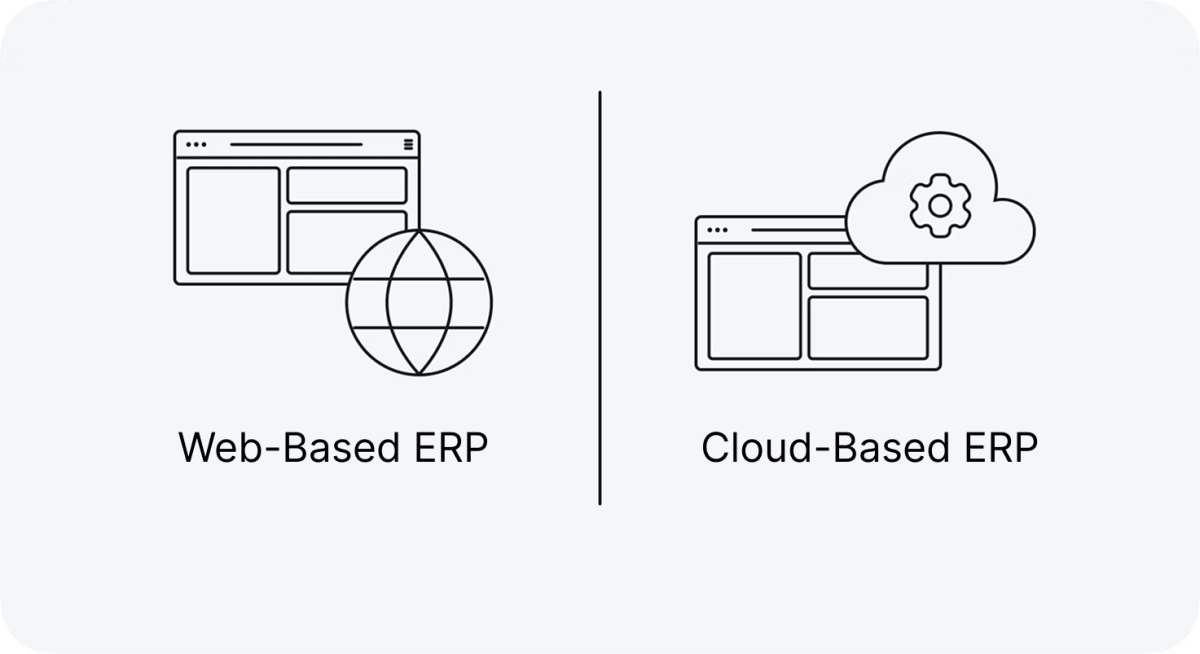
7. Adopt Cloud-Based ERP Technology
Cloud platforms provide the flexibility required for intelligent ERP functionality.
A cloud-based ERP solution allows businesses to access real-time information, deploy new features faster, and scale operations without significant infrastructure investments.
Cloud ERP also provides the computing power needed to support AI, analytics, and automation technologies.
8. Build a Data-Driven Culture
Technology alone cannot make an ERP system intelligent.
Organizations must encourage teams to use ERP insights when making business decisions.
Employees should rely on dashboards, reports, and analytics rather than assumptions or outdated information.
When decision-making becomes data-driven, businesses gain greater accuracy, efficiency, and agility.
The Future of Intelligent ERP
The future of ERP Software is increasingly driven by:
Predictive Analytics
Process Automation
Real-Time Business Intelligence
As these technologies continue to evolve, ERP systems will become even more capable of predicting outcomes, identifying opportunities, and automating complex business processes.
Organizations that invest in intelligent ERP capabilities today will be better prepared to compete in rapidly changing markets tomorrow.
Conclusion
Making your ERP more intelligent is not simply about adding new technology. It is about using data more effectively, automating routine tasks, improving visibility, and enabling smarter decision-making.
By combining automation, analytics, Artificial Intelligence, and cloud technologies, businesses can transform traditional ERP software into a powerful strategic asset.
An intelligent ERP system helps organizations improve efficiency, reduce costs, identify growth opportunities, and make better business decisions with confidence.