Streamlining Financial Management with Accounting ERP Systems

Financial management is at the heart of every successful business. Regardless of industry or company size, organizations must continuously monitor cash flow, control expenses, manage customer payments, process supplier invoices, maintain accurate financial records, and comply with tax regulations. As businesses grow, these financial activities become increasingly complex, making it difficult to maintain accuracy using spreadsheets or disconnected accounting software.
Many organizations operate multiple departments, branches, warehouses, or business units that generate financial transactions every minute. Sales, procurement, inventory, payroll, manufacturing, and customer service all contribute financial data that must remain accurate and synchronized. When this information is scattered across multiple systems, finance teams often struggle with duplicate entries, delayed reporting, reconciliation issues, and limited visibility into overall business performance.
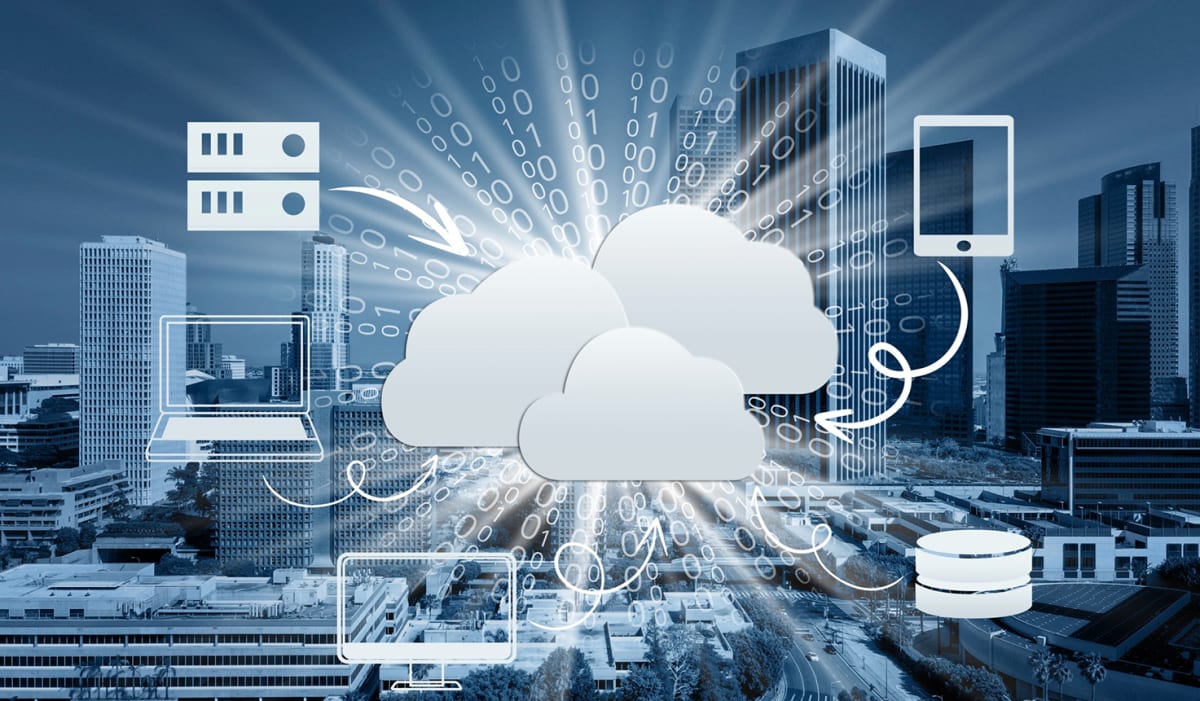
An Accounting Enterprise Resource Planning (ERP) system solves these challenges by integrating every financial process into one centralized platform. Rather than managing accounting separately from other business operations, Accounting ERP connects finance with procurement, inventory, sales, human resources, manufacturing, customer relationship management, and business intelligence. Every financial transaction updates automatically across the system, providing organizations with accurate real-time information for faster decision-making.
At Multi Techno, our Accounting ERP solution enables businesses to manage general ledger, accounts payable, accounts receivable, budgeting, cash flow, taxation, payroll, fixed assets, financial reporting, and business analytics through one intelligent cloud-based platform. By automating financial operations and connecting every department, organizations improve accuracy, strengthen financial control, reduce administrative workloads, and gain complete visibility into business performance.
Why Businesses Need Accounting ERP Software
Financial management involves much more than recording income and expenses. Every purchase order, supplier payment, customer invoice, payroll transaction, inventory movement, tax calculation, and banking activity affects the organization's financial position.
When finance departments rely on standalone accounting software while other departments use separate systems, maintaining accurate financial records becomes increasingly difficult. Employees often spend hours entering the same information multiple times, reconciling transactions manually, correcting reporting errors, and preparing financial statements from disconnected data sources.
An Accounting ERP system eliminates these inefficiencies by connecting financial operations with every business function.
For example, when a sales order is completed, customer invoices are generated automatically. Inventory levels update immediately, revenue is recorded in the general ledger, accounts receivable balances are adjusted, and financial dashboards reflect the latest transaction without requiring manual intervention.
Similarly, procurement activities automatically update supplier balances, inventory costs, accounts payable, and expense records. Every department works with the same financial information, reducing errors while improving collaboration across the organization.
This centralized financial environment enables organizations to improve operational efficiency while giving management greater confidence in every financial decision.
Centralized Financial Data Management
One of the greatest strengths of an Accounting ERP system is its ability to maintain a single source of financial truth.
Instead of storing accounting records across multiple spreadsheets or software applications, every financial transaction is recorded within one centralized database. Sales invoices, purchase orders, customer receipts, supplier payments, payroll expenses, inventory valuations, tax calculations, journal entries, and banking transactions remain connected throughout the entire organization.
Because every department contributes information to the same financial system, duplicate entries are significantly reduced while financial accuracy improves.
Managers no longer need to wait until month-end to understand business performance. They can access up-to-date financial information whenever required, allowing faster responses to changing business conditions and improved strategic planning.
General Ledger and Accounting Automation
The General Ledger serves as the financial foundation of every business.
An Accounting ERP system automates General Ledger management by recording financial transactions directly from operational activities instead of relying on manual journal entries.
Whenever inventory is purchased, products are sold, payroll is processed, assets are acquired, or supplier invoices are approved, corresponding accounting entries are generated automatically according to predefined accounting rules.
This automation reduces manual bookkeeping, improves consistency across financial records, and minimizes the possibility of human error.
Finance professionals spend less time performing repetitive accounting tasks and more time analyzing financial performance, improving budgets, and supporting business growth.
Because every transaction is recorded in real time, financial statements remain accurate throughout the accounting period rather than only after month-end reconciliation.
Accounts Payable and Supplier Management
Managing supplier relationships requires timely processing of purchase invoices, payment approvals, due dates, and outstanding balances.
Accounting ERP software centralizes Accounts Payable by connecting procurement, inventory, purchasing, and finance within one integrated workflow.
When goods are received and supplier invoices are approved, payable balances update automatically. Finance teams can monitor outstanding liabilities, schedule payments, track vendor history, manage credit terms, and avoid duplicate payments through one centralized platform.
Automated approval workflows further improve financial control by ensuring purchases follow organizational policies before payments are released.
This streamlined process improves supplier relationships while helping organizations maintain better cash flow management and stronger financial discipline.
Accounts Receivable and Customer Billing
Healthy cash flow depends on efficient customer billing and timely payment collection.
Accounting ERP software automates Accounts Receivable by integrating customer orders, sales invoices, payment receipts, credit limits, and outstanding balances into one connected system.
As products or services are delivered, invoices are generated automatically and customer account balances update immediately. Finance teams can monitor overdue invoices, send payment reminders, track customer payment history, and reconcile incoming payments without relying on manual spreadsheets.
This automation reduces collection delays, improves revenue management, and provides greater visibility into outstanding receivables.
Organizations benefit from faster payment cycles while strengthening customer relationships through accurate billing and transparent financial records.
Cash Flow Management and Bank Reconciliation
Maintaining healthy cash flow is essential for business stability and sustainable growth.
Accounting ERP software provides continuous visibility into incoming payments, outgoing expenses, supplier obligations, payroll commitments, tax liabilities, and available cash balances through real-time financial dashboards.
Finance managers can forecast future cash requirements, identify liquidity risks, prioritize payments, and plan investments based on accurate financial information instead of assumptions.
Bank reconciliation is also significantly simplified through automated matching of bank transactions with accounting records. Differences are identified quickly, reducing reconciliation time while improving financial accuracy.
By providing complete control over cash movement, Accounting ERP enables businesses to make confident financial decisions while maintaining stronger operational stability.
Budgeting and Financial Planning
Effective financial planning allows businesses to allocate resources wisely, prepare for future growth, and respond quickly to changing market conditions. However, creating budgets manually often involves collecting information from multiple departments, making the process time-consuming and prone to inconsistencies.
An Accounting ERP system simplifies budgeting by bringing financial data from sales, procurement, inventory, payroll, production, and operational expenses into one centralized platform. Management can prepare annual budgets, compare planned expenditures with actual performance, monitor departmental spending, and identify financial variances in real time.
Instead of relying solely on historical reports, organizations gain access to live financial information that supports more accurate forecasting and strategic planning. This enables decision-makers to allocate resources more effectively while maintaining stronger financial control across the business.
Financial Reporting and Business Intelligence
Timely financial reporting is essential for making informed business decisions. Traditional reporting methods often require finance teams to collect data manually from multiple systems before generating financial statements, resulting in delays and increased administrative effort.
Accounting ERP software automatically generates comprehensive financial reports using real-time business data. Organizations can monitor income statements, balance sheets, cash flow statements, trial balances, profit and loss reports, accounts receivable aging, accounts payable summaries, tax reports, and departmental financial performance through interactive dashboards.
Business intelligence capabilities further enhance decision-making by transforming financial data into meaningful insights. Executives can analyze profitability trends, monitor operational costs, evaluate business performance, and identify opportunities for improvement using accurate real-time information.
This improved visibility enables organizations to make faster, data-driven decisions while strengthening overall financial management.
Tax Compliance and Audit Readiness
Maintaining compliance with financial regulations and tax requirements is a critical responsibility for every business. Manual accounting processes often increase the risk of calculation errors, incomplete documentation, and delayed reporting, making audits more challenging.
Accounting ERP software simplifies compliance by automatically recording every financial transaction while maintaining complete audit trails. Tax calculations, journal entries, invoices, payment records, and financial adjustments remain securely documented throughout the system.
Role-based access controls, transaction histories, and approval workflows improve financial transparency while ensuring accountability across departments.
Because financial records remain accurate and organized, businesses can prepare tax reports, support external audits, and comply with regulatory requirements more efficiently while reducing administrative workloads.
Fixed Asset Management
Managing business assets becomes increasingly important as organizations invest in machinery, office equipment, vehicles, technology infrastructure, and other long-term assets.
Accounting ERP software helps businesses monitor asset acquisition costs, depreciation, maintenance history, asset transfers, and disposal activities through one centralized platform.
Automated depreciation calculations improve financial accuracy while providing management with better visibility into asset utilization and replacement planning.
By maintaining complete asset records, organizations improve financial reporting while protecting valuable business investments.
Multi-Company and Multi-Currency Financial Management
Many growing organizations operate across multiple branches, subsidiaries, or international markets. Managing separate accounting records for different business entities or currencies can quickly become complicated without an integrated financial system.
Accounting ERP software supports multi-company and multi-currency operations within one centralized platform. Organizations can maintain separate financial records for different business units while consolidating financial information for overall business reporting.
Currency conversions, consolidated reporting, intercompany transactions, and branch-level financial performance can all be managed efficiently without maintaining separate accounting systems.
This flexibility supports business expansion while maintaining financial consistency across the organization.
Key Benefits of Accounting ERP Systems
Implementing an integrated Accounting ERP solution provides significant operational and financial advantages, including:
Automated financial transactions and reduced manual bookkeeping
Centralized financial records across all departments
Improved accounts payable and accounts receivable management
Better cash flow monitoring and forecasting
Faster budgeting and financial planning
Accurate real-time financial reporting
Enhanced tax compliance and audit readiness
Automated bank reconciliation and financial controls
Multi-company and multi-currency support
Better decision-making through business intelligence and analytics
By combining these capabilities within one integrated platform, Accounting ERP enables organizations to improve efficiency, strengthen financial governance, and support long-term business growth.
Why Businesses Choose Multi Techno Accounting ERP
Choosing an Accounting ERP solution is about more than replacing traditional accounting software. It is about implementing a financial management platform that connects every department while providing complete visibility into business performance.
At Multi Techno, our Accounting ERP solution integrates general ledger, accounts payable, accounts receivable, budgeting, financial reporting, payroll, procurement, inventory management, taxation, fixed asset management, customer relationship management, human resources, and business intelligence within one secure cloud-based platform.
Designed for organizations of every size, our ERP system delivers intelligent automation, real-time financial visibility, configurable workflows, advanced reporting, and scalable infrastructure that adapts as your business grows.
Whether your organization operates from a single office or across multiple branches, Multi Techno Accounting ERP helps simplify financial operations, improve collaboration, strengthen compliance, and support better business decisions through accurate real-time information.
Conclusion
Managing business finances requires far more than recording transactions. Modern organizations need complete visibility into cash flow, profitability, operational expenses, customer payments, supplier obligations, budgeting, taxation, and financial performance to remain competitive in today's business environment.
An Accounting ERP system brings every financial process together within one integrated platform, enabling organizations to automate accounting operations, improve reporting accuracy, strengthen compliance, optimize cash flow, and make faster data-driven decisions.
By replacing disconnected accounting systems with a centralized ERP solution, businesses can reduce administrative complexity, improve financial transparency, and create a stronger foundation for sustainable growth.
With Multi Techno Accounting ERP, organizations gain more than accounting software they gain a comprehensive financial management platform designed to improve operational efficiency, support strategic decision-making, and help businesses grow with confidence in an increasingly dynamic marketplace.