Unleash the Potential of Cash Management Services

Every business generates revenue, pays expenses, purchases inventory, manages employees, and invests in growth. Yet many organizations still struggle with one factor that determines whether growth is sustainable healthy cash flow.
A business may report strong sales and healthy profits, but if customer payments arrive late, supplier invoices pile up, or management lacks visibility into available funds, daily operations can quickly become challenging. This is why successful organizations focus not only on increasing revenue but also on improving how cash moves throughout the business.
Cash management services help businesses monitor, control, and optimize the movement of money across their operations. Instead of relying on spreadsheets, manual reconciliations, or delayed bank statements, businesses gain real-time visibility into cash inflows, outgoing payments, account balances, and future liquidity requirements. This enables finance teams to make faster decisions while reducing financial uncertainty.
Whether a company operates in manufacturing, wholesale distribution, retail, healthcare, construction, logistics, or professional services, effective cash management supports better financial planning, stronger operational control, and sustainable business growth.
In this guide, you'll learn what cash management services are, why they matter, the challenges they solve, the features modern businesses should expect, and how technology helps organizations improve financial performance through smarter cash flow management.
Why Cash Flow Matters More Than Most Businesses Realize
Many business owners evaluate performance by looking at revenue or profit. While these metrics are important, they don't always reflect whether the business has enough cash available to operate efficiently.
Imagine a company that has secured several large customer orders. Sales are increasing, invoices have been issued, and profits appear healthy on paper. However, if customers take 60 or 90 days to make payments while suppliers and employees must be paid immediately, the business may still face cash shortages.
This gap between earning revenue and receiving actual cash creates operational pressure that can affect purchasing decisions, production schedules, payroll, and future investments.
Strong business cash management helps organizations avoid these situations by providing complete visibility into available funds and expected cash movements. Instead of reacting to financial shortages, management can plan ahead, allocate resources more effectively, and maintain healthy liquidity throughout daily operations.
When businesses understand exactly where cash is coming from and where it is being spent, they gain greater confidence in making both operational and strategic decisions.
What Are Cash Management Services?
Cash Management Services are financial solutions that help businesses manage, monitor, and optimize the movement of cash throughout their operations. These services combine banking, automation, financial controls, and digital technology to help businesses monitor cash movement while maintaining healthy liquidity.
Rather than focusing only on recording transactions, cash management services support the entire financial cycle. They help businesses collect customer payments, process supplier payments, monitor account balances, forecast future cash requirements, reconcile banking transactions, and maintain financial visibility across multiple departments or locations.
Modern cash management solutions often include automation that reduces manual work while improving accuracy. Instead of waiting until the end of the month to understand financial performance, finance teams can access updated information throughout the day, allowing them to respond quickly to changing business conditions.
As businesses grow, managing cash becomes increasingly complex. Multiple bank accounts, branch locations, vendors, currencies, and payment methods all contribute to larger financial workloads. Cash management services simplify these activities by centralizing financial information and providing one reliable source for monitoring cash movement.
Ultimately, effective cash management is not simply about knowing how much money is available today it is about ensuring businesses can meet current obligations while preparing for future opportunities.
Common Cash Flow Challenges Businesses Face
Managing cash successfully becomes more difficult as business operations expand. More customers, suppliers, employees, and financial transactions create additional complexity that manual processes often cannot handle efficiently.
Some of the most common challenges include:
Delayed Customer Payments
Late customer payments reduce available working capital and make it difficult to plan future expenses. Even profitable businesses can experience financial pressure when receivables remain outstanding for extended periods.
Limited Cash Flow Visibility
Many organizations rely on spreadsheets, disconnected accounting systems, or multiple banking portals to understand their financial position. This delays decision-making and increases the risk of inaccurate reporting.
Improving cash flow visibility allows finance teams to identify potential shortages before they become operational problems.
Manual Payment Processes
Approving vendor payments, processing payroll, reconciling transactions, and preparing financial reports manually consumes valuable time while increasing the likelihood of human error.
Automation reduces administrative work and allows finance teams to focus on financial planning instead of repetitive tasks.
Managing Multiple Bank Accounts
Businesses operating across several branches or legal entities often maintain multiple bank accounts. Monitoring balances separately makes it difficult to determine the organization's overall financial position.
Centralized cash management provides a consolidated view of available funds across all accounts.
Uncertain Liquidity
Without accurate forecasting, businesses may struggle to determine whether enough cash will be available for payroll, supplier payments, tax obligations, or unexpected expenses.
Effective liquidity management ensures organizations maintain sufficient cash reserves while avoiding excessive idle funds that could otherwise support business growth.
How Cash Management Services Improve Cash Flow
One of the biggest advantages of modern financial systems is their ability to strengthen cash flow management through automation, visibility, and better planning.
Instead of simply tracking money after transactions occur, businesses can actively manage future cash movements and make informed financial decisions.
Cash management services improve business performance by helping organizations:
Monitor real-time cash balances across multiple accounts.
Accelerate customer collections through automated payment processes.
Schedule supplier payments strategically without disrupting operations.
Forecast future cash shortages and surpluses more accurately.
Reduce manual reconciliation between accounting records and bank transactions.
Improve financial planning using real-time reporting and dashboards.
Minimize idle cash while maintaining sufficient liquidity for daily operations.
This proactive approach enables finance teams to shift from reacting to financial issues toward planning future business growth.
Rather than asking, "How much cash do we have today?", management can confidently answer, "How much cash will we have next week, next month, or next quarter?"
That level of financial visibility supports stronger decision-making across every department within the organization.
Core Features of Modern Cash Management Services
Not all cash management solutions offer the same capabilities. While basic systems may only record transactions, modern cash management tools provide automation, forecasting, reporting, and real-time financial visibility that help businesses make faster and more informed decisions.
Some of the most valuable features include:
Real-Time Cash Monitoring
Finance teams can monitor account balances, incoming payments, outgoing transactions, and available cash without waiting for end-of-day reports. This allows businesses to respond immediately to changing financial conditions.
Automated Collections and Payments
Automation reduces manual work by scheduling vendor payments, processing recurring transactions, and tracking customer collections. Businesses spend less time on routine financial tasks while improving payment accuracy.
Cash Forecasting
Modern systems analyze historical transactions, expected receivables, recurring expenses, and upcoming obligations to estimate future cash availability. Accurate forecasting allows businesses to prepare for seasonal demand, expansion plans, or unexpected financial challenges.
Bank Reconciliation
Matching bank transactions with accounting records manually is time-consuming and often leads to errors. Automated bank reconciliation speeds up the process while improving financial accuracy.
Approval Workflows
Organizations can establish approval hierarchies for payments, transfers, and financial transactions. This improves internal control and reduces the risk of unauthorized payments.
Financial Dashboards and Reporting
Interactive dashboards provide management with instant access to cash balances, payment trends, liquidity status, and financial performance, enabling faster decision-making.
The Role of an ERP Cash Management Module
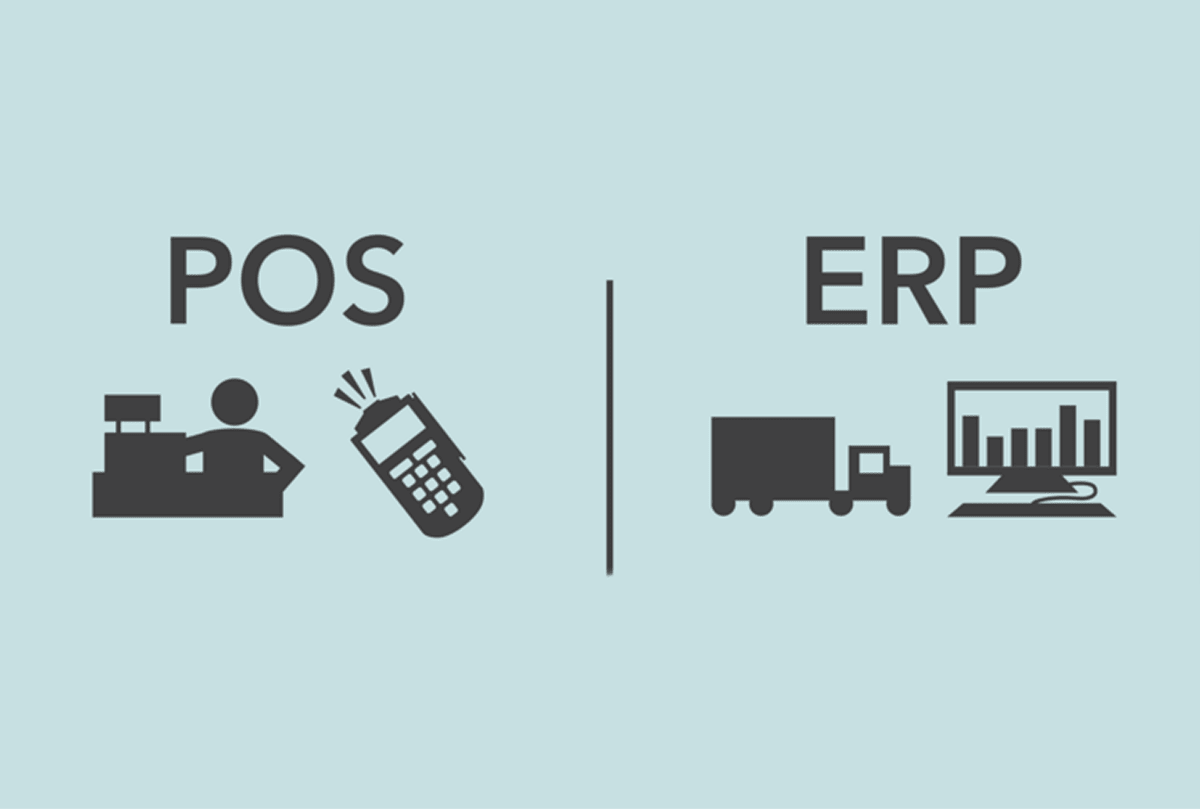
While banks and financial institutions provide many cash management services, growing businesses often require those financial activities to integrate directly with their operational processes. This is where an ERP cash management module becomes valuable.
An ERP cash management module integrates financial activities with sales, purchasing, inventory, manufacturing, payroll, and accounting within one centralized platform.
For example:
Customer payments automatically update financial records.
Supplier invoices synchronize with accounts payable.
Purchase orders reflect future cash requirements.
Payroll expenses update financial reports immediately.
Inventory purchases impact working capital forecasts.
Instead of switching between multiple software applications, finance teams work within one integrated environment where every transaction updates the organization's financial position automatically.
This level of integration improves accuracy, reduces duplicate data entry, and provides management with a complete view of business finances.
Which Businesses Benefit Most from Cash Management Services?
Although every organization manages cash, some industries experience significantly greater benefits because of their transaction volume and operational complexity.
Manufacturing
Manufacturers manage raw materials, production costs, supplier payments, and customer receivables simultaneously. Better cash planning helps maintain uninterrupted production while controlling working capital.
Wholesale and Distribution
Distributors handle high inventory volumes and frequent supplier transactions. Cash management improves purchasing decisions while maintaining healthy inventory levels.
Retail
Retail businesses process thousands of customer transactions while managing inventory replenishment and supplier payments. Better financial visibility supports smoother daily operations.
Construction
Construction companies often work with milestone-based payments and long project cycles. Forecasting future cash requirements helps maintain project continuity.
Healthcare
Hospitals, pharmacies, and healthcare providers manage insurance payments, supplier invoices, payroll, and operational expenses. Effective cash management improves financial stability while supporting uninterrupted patient care.
How to Choose the Right Cash Management Solution
Selecting a cash management solution involves more than comparing software features. Businesses should evaluate whether the solution supports both their current operations and future growth.
When comparing solutions, consider the following:
Can it provide real-time visibility into cash balances?
Does it automate collections and payment processing?
Can it generate accurate cash flow forecasts?
Does it integrate with accounting and ERP systems?
Can it support multiple bank accounts or business locations?
Does it provide strong reporting and approval controls?
Can the system scale as the business grows?
The right solution should simplify financial operations rather than add unnecessary complexity.
Why Businesses Choose Multi Techno ERP
Managing cash effectively requires more than standalone banking tools. Financial information should flow naturally between accounting, purchasing, inventory, sales, manufacturing, payroll, and reporting.
Multi Techno ERP brings these business functions together within one integrated platform, allowing organizations to manage financial operations from a single source of truth.
Instead of manually transferring information between disconnected systems, businesses gain:
Better cash flow visibility
Faster financial reporting
Automated transaction processing
Improved liquidity planning
Stronger financial control
Better decision-making through real-time data
By connecting financial operations with every department, businesses reduce manual work while improving operational efficiency across the organization.
Conclusion
Strong financial management begins with understanding how cash moves throughout a business. While revenue and profitability remain important, sustainable growth depends on maintaining healthy cash flow, accurate forecasting, and sufficient liquidity to support daily operations.
Modern Cash Management Services help businesses move beyond manual financial processes by improving visibility, automating routine activities, strengthening financial control, and enabling better planning. Whether the goal is reducing operational delays, improving decision-making, or supporting long-term expansion, effective cash flow management provides the financial foundation every growing business needs.
For organizations looking to streamline financial operations even further, integrating cash management with an ERP system creates a connected business environment where finance, procurement, sales, inventory, and reporting work together seamlessly. The result is greater efficiency, stronger financial control, and the confidence to make smarter business decisions backed by real-time data.