How to Track Material Consumption in Process Manufacturing ERP
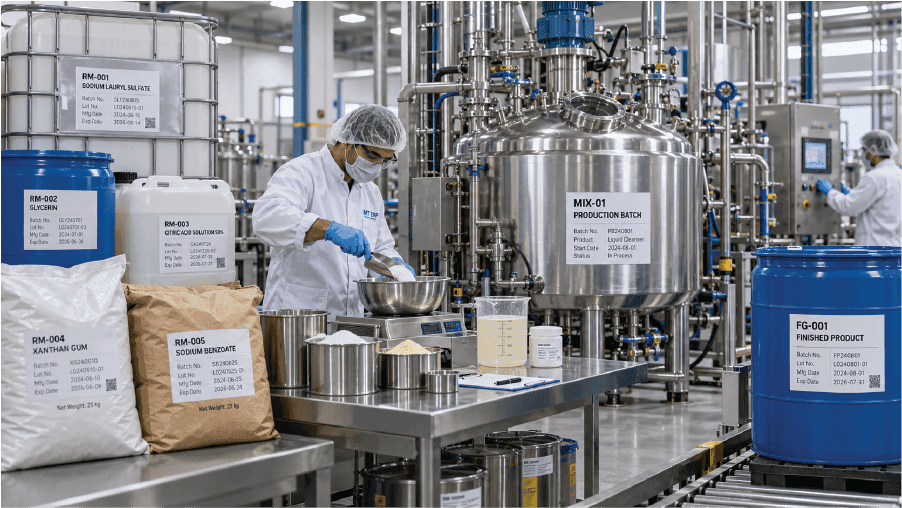
Material consumption in process manufacturing is easier to control when production work orders, material requirements, production progress, and actual usage are connected in one system. A process manufacturing ERP can record material consumption against production activity and compare actual usage with planned quantities to identify production variance.
Why Material Consumption Is Different in Process Manufacturing
Material consumption in process manufacturing is not always as straightforward as issuing a fixed number of components for an individual finished item. Production may involve batches, mixtures, formulas, variable yields, and materials that are consumed at different stages of the process.
For this reason, manufacturers need more than an inventory record showing that a certain quantity of raw material left the warehouse. They need to understand which production activity consumed the material, how much was expected to be used, how much was actually consumed, and what the difference means for production performance.
A manufacturing ERP can connect these records with production planning, inventory, work orders, and costing. This creates a clearer relationship between the materials planned for production and the materials actually used on the shop floor. This distinction becomes clearer when comparing process production with discrete manufacturing ERP, where production is generally organized around individual units or assemblies.
How a Process Manufacturing Work Order Starts
Material consumption normally becomes meaningful when it is connected to a specific production requirement. A process manufacturing work order establishes what needs to be produced and provides the production record against which progress and material usage can be tracked.
In Multi-Techno, pending sale orders can be converted into discrete or process work orders as part of production planning. The Production Management module then provides process-specific records for work orders, work progress, and material consumption.
Before production begins, the manufacturing setup also defines the materials and production requirements needed for the job. A Bill of Material (BOM) provides the material structure from which production planning and costing can work.
This matters because material consumption should not exist as an isolated stock transaction. It should have a clear connection to the production requirement that caused the material to be consumed.
From Work Progress to Material Consumption
Once the process work order is ready, production moves from planning into execution. This is where work progress and material consumption become closely connected.
A production team may record progress as a batch or production activity moves forward, while the materials used during that activity are recorded against the corresponding production process. Instead of waiting until the finished product reaches inventory to estimate material usage, the ERP can capture consumption as production takes place.
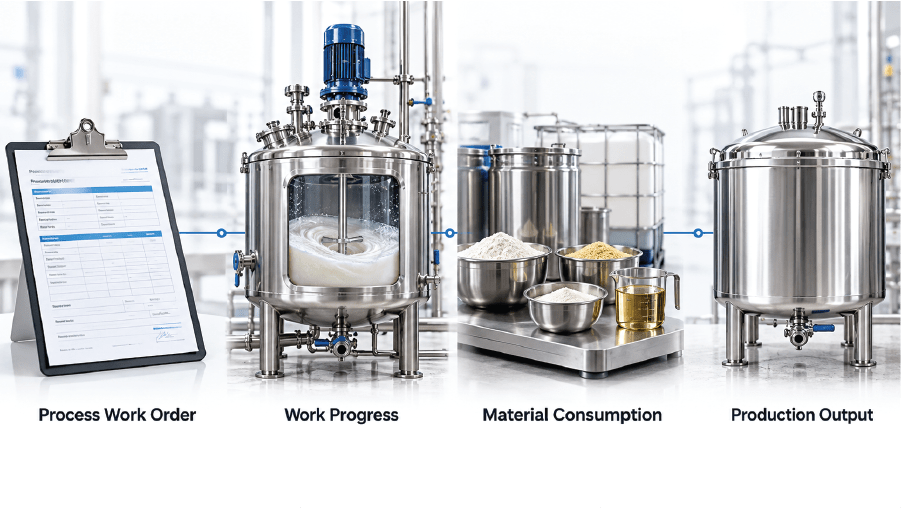
Multi-Techno's process manufacturing workflow includes Pending SO for Process Work Order, Work Order, Pending Work Progress, Work Progress, Pending Material Consumption, and Material Consumption. These records provide a structured path from production planning to actual material usage.
This connection is important because production progress tells you what happened in manufacturing, while material consumption tells you what resources were used to make it happen.
What Does Material Consumption Tracking Actually Tell You?
Material consumption tracking should answer more than one question.
It should show how much raw material was expected for a production requirement, how much was actually used, and which production activity or batch the usage belongs to. This information can then be connected with inventory and production costing.
For example, if a production process is expected to consume a certain quantity of raw material but the actual consumption is higher, the difference may point to waste, yield changes, inaccurate planning, production conditions, or another operational issue.
The value of manufacturing material consumption therefore comes from the relationship between the planned requirement and the actual production record. When these records are connected, manufacturers can investigate differences instead of simply discovering that stock is lower than expected.
A properly structured material consumption tracking process also makes production records easier to review because material usage is tied to a specific production requirement rather than being treated as an unexplained inventory movement.
Planned Consumption vs Actual Consumption
Planned consumption represents the quantity expected to be used for a production requirement. Actual consumption represents what was recorded during production.
The two numbers will not always be identical, and a difference does not automatically mean that production was handled incorrectly. Some processes naturally have variations in material usage because of yield, waste, moisture, formulation, process conditions, or changes in production output.
The important point is that the ERP should make the difference visible.
For example, if a production requirement plans for 500 kg of a raw material but production records show 520 kg consumed, the 20 kg difference needs to be investigated in the context of the production process. Without a connected production record, that difference may simply appear as additional stock usage.
Microsoft's production documentation similarly treats material consumption as part of the production process and provides methods for calculating consumption against production requirements.
How Production Variance Helps Explain Material Differences
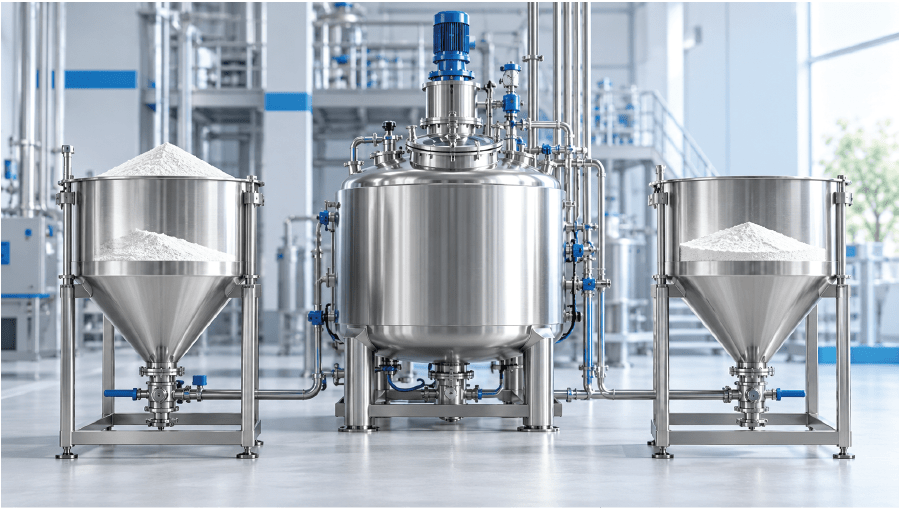
Production variance gives manufacturers a way to investigate differences between expected and actual production results.
A higher-than-expected material usage may indicate waste, inaccurate material planning, changes in yield, or production conditions that affected the batch. Lower consumption may also require investigation if it results from incomplete production, a change in formulation, or an inaccurate planned quantity.
This is why production variance should not simply be treated as a number in a report. It becomes useful when the manufacturer can trace that difference back to the work order, production activity, material consumption, and resulting output.
Multi-Techno supports consumption analysis by comparing actual and planned consumption, allowing production teams to identify variances in material usage. Its Production Management module includes an Actual vs. Plan Consumption Summary and a Daily Actual vs. Plan Consumption Report.
The result is a more useful production record: instead of knowing only that material was consumed, the manufacturer can examine whether the quantity consumed was consistent with the production plan.
Why Batch-Level Material Consumption Matters
Batch production introduces another layer of control. The same raw material may be used across different production batches, while each batch can have its own production quantity, consumption, yield, and output.
This makes batch-level tracking important for manufacturers that need to understand where materials were used and how those materials contributed to a particular production result.
A good batch manufacturing software solution should therefore connect material usage with production batches rather than treating all consumption as one general inventory movement.
For example, if the same raw material is consumed during three different batches, the manufacturer should be able to distinguish the quantity used by each production record. That makes it easier to investigate production variance, review material usage, and understand batch-level costing.
Batch tracking is particularly relevant in industries where formulations, ingredients, chemicals, or other process materials can vary between production runs.
How a Process Manufacturing ERP Connects Consumption With Production
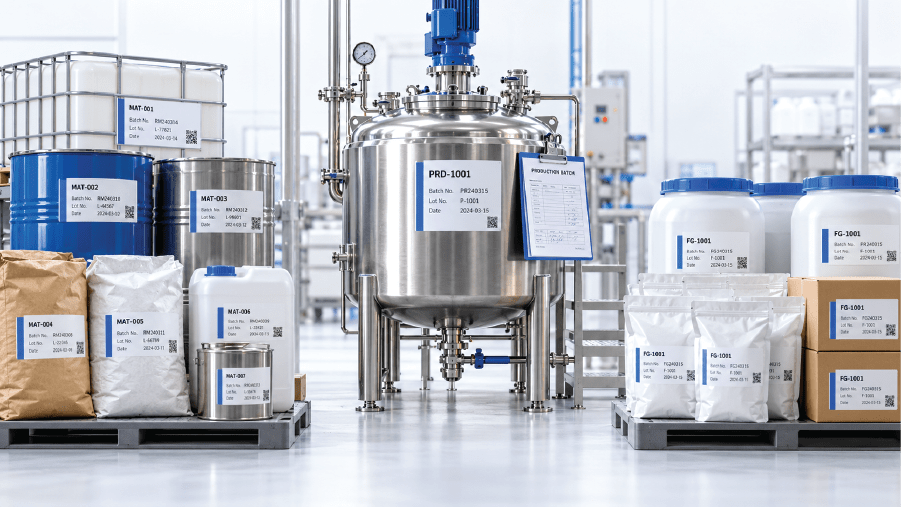
The main advantage of process manufacturing software is not simply that it records material quantities. Its value comes from connecting those quantities with the wider production process.
A connected system can bring together the production work order, material planning, production progress, material consumption, inventory, and production reporting. This means the same production record can provide context for both what was produced and what was consumed.
Multi-Techno's Production Management module follows this approach by connecting manufacturing setup, work orders, material consumption, and production reporting within the same production workflow. It supports material planning by sale order or work order and provides consumption analysis for comparing actual and planned usage.
The manufacturing setup also matters. Production routing defines how products move through production stages, while work centers and machines provide the operational structure around the production process. A well-defined manufacturing routing helps connect the planned production process with what happens on the shop floor.
A Practical Material Consumption Workflow in Multi-Techno
A practical process manufacturing workflow can be understood as a connected sequence rather than a collection of separate transactions.
It can begin with a pending sale order being converted into a Process Work Order. Production then moves through Work Progress, while the materials used during production are recorded through Material Consumption.
Once consumption has been recorded, production teams can use the Actual vs. Plan Consumption Summary to compare expected and actual material usage. The Daily Actual vs. Plan Consumption Report provides another view of consumption performance across production activity.
This workflow creates a useful chain:
Sale Order → Process Work Order → Work Progress → Material Consumption → Actual vs. Plan Consumption → Production Analysis
The benefit is that material consumption does not sit separately from production. Each record contributes to a larger production history that can be reviewed when material usage differs from expectations.
How Material Consumption Data Supports Production Costing
Material consumption has a direct effect on manufacturing cost because raw materials are part of the cost of producing finished goods.
If planned material usage is based on a BOM or production requirement, the actual quantity consumed provides another piece of information for understanding production cost. A difference between expected and actual consumption can therefore affect the actual cost associated with production.
This is one reason BOM accuracy matters. A BOM establishes the materials and quantities required to manufacture a product, giving production planning and costing a structured material baseline.
However, the BOM alone cannot tell a manufacturer what actually happened on the shop floor. Actual production material consumption completes that picture by showing what was recorded during production.
When planned requirements, actual consumption, inventory, and production records are connected, manufacturers have a stronger basis for reviewing production costs instead of relying on manual calculations after production is complete.
What to Look for in Process Manufacturing Software
When evaluating process manufacturing ERP software, the most useful capabilities are those that connect production planning with actual production activity.
The system should support process work orders, material planning, work progress, material consumption, batch-level production records, and reporting that can compare planned and actual usage.
It should also connect manufacturing with inventory and costing. Otherwise, production teams may have a production record in one system while material movements and costing are managed somewhere else.
Multi-Techno combines manufacturing setup, process work orders, work progress, material consumption, material planning, and production reporting within its Production Management module.
For manufacturers, the key question is therefore not simply whether the software can record material consumption. The more useful question is whether it can explain why that material was consumed, against which production requirement, and how the actual usage compares with the production plan.
Process Manufacturing ERP for Industries With Batch Production
Process manufacturing requirements vary by industry, but the need to connect production with material usage is common across batch-based operations.
Food production may involve ingredients, formulations, batch quantities, and production yields. Chemical manufacturing can involve controlled raw materials, production stages, and consumption records that need to remain connected to production activity.
For these businesses, ERP for process manufacturing should provide visibility into both production activity and the materials used to achieve the resulting output.
The same principle applies beyond these examples: whenever production involves batches, formulations, mixtures, or variable material usage, tracking consumption against production becomes more useful than treating raw material movement as a separate inventory task.
FAQs
What is material consumption in process manufacturing?
Material consumption is the recording of raw materials or other production materials used during a manufacturing process. In an ERP, consumption can be connected to a process work order or production activity so actual usage can be reviewed against planned requirements.
How does an ERP track raw material consumption?
A process manufacturing ERP can connect raw material usage with work orders, production progress, and material consumption records. This allows manufacturers to see what material was used, how much was consumed, and which production requirement the usage belongs to.
What is the difference between planned and actual material consumption?
Planned consumption is the quantity expected to be used for a production requirement, while actual consumption is the quantity recorded during production. Comparing the two helps identify material usage differences and production variance.
How does ERP help identify production variance?
ERP systems can compare planned production requirements with actual material consumption and production results. This makes it easier to identify differences that may be related to waste, yield, planning, or production conditions.
What is a process manufacturing work order?
A process manufacturing work order defines a production requirement for a process-based product or batch. It provides a production record that can be connected with work progress, material consumption, and production reporting.
Why is batch-level material consumption important?
Batch-level consumption helps manufacturers understand which quantities of raw materials were used for a specific production batch. This improves traceability and makes it easier to investigate differences in material usage or production output.
What should process manufacturing software track?
A useful process manufacturing system should track work orders, production progress, material consumption, batch information, material planning, inventory usage, and reports that compare planned and actual production results.
Final Thoughts
Material consumption tracking becomes more useful when it is connected to the complete production process.
A process manufacturing ERP can link the work order with production progress and material consumption, then use actual-versus-planned reporting to identify production variance. This gives manufacturers a clearer record of what was planned, what was consumed, and how the actual production result compares with expectations.
For process-based and batch manufacturing, the goal is not simply to record that material left inventory. The goal is to understand where it was used, how much was consumed, and what that usage means for production performance and cost.