The Hidden Cost of Aging Raw Material Inventory in Manufacturing
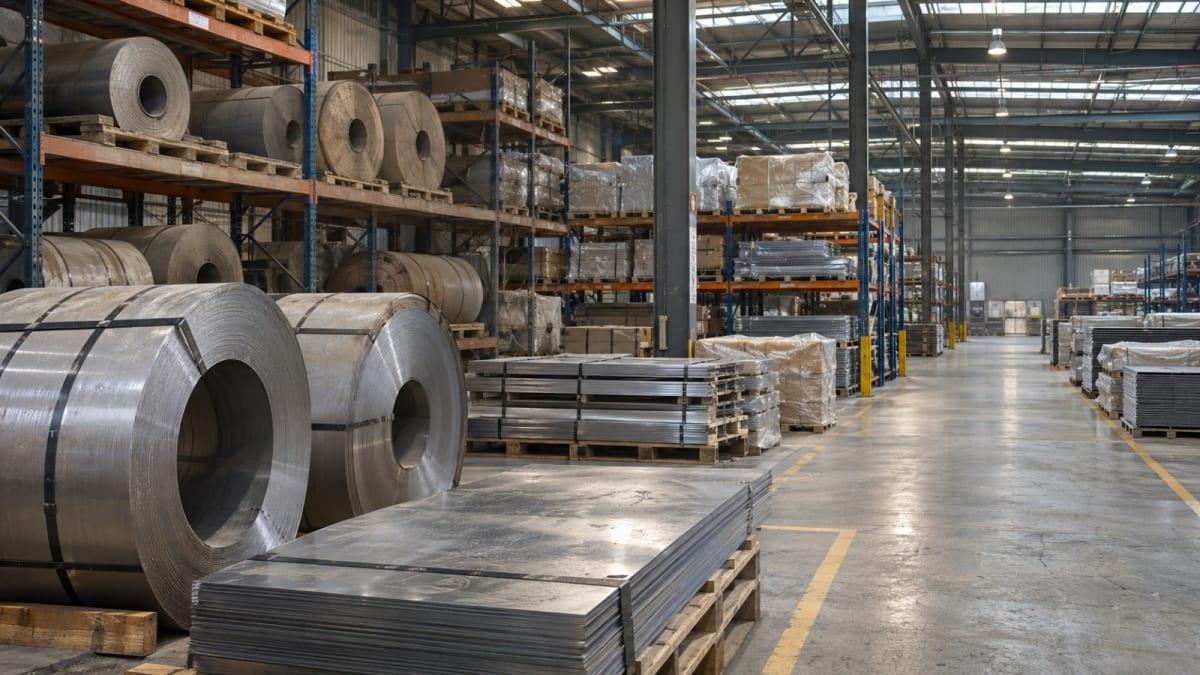
Aging raw material inventory can quietly increase manufacturing costs by tying up working capital, occupying warehouse space, and leaving materials unused when production requirements change. Effective raw material inventory management requires manufacturers to look beyond stock quantities and regularly review how long materials have remained in inventory, whether they are still required, and how they relate to current production plans.
What Is Aging Raw Material Inventory?
raw material inventory includes the materials, components, and supplies that manufacturers purchase and hold for use in their production processes. These materials may include metals, chemicals, fabrics, packaging materials, ingredients, or other inputs required to manufacture finished products.
Aging raw material inventory refers to materials that have remained in stock for an extended period. The concern is not simply how old the stock is. Manufacturers also need to understand whether the materials are moving, whether they are still required for production, and whether their specifications and condition remain suitable for their intended use.
For example, a manufacturer may purchase a large quantity of a particular raw material to support an expected production schedule. If customer demand, product specifications, or production priorities change, the material may remain in the warehouse longer than originally planned.
Without regular inventory aging analysis, such materials can remain unnoticed while their financial and operational implications continue to grow.
Aging Stock vs. Slow-Moving Stock vs. Obsolete Inventory
These terms are related, but they do not describe exactly the same inventory condition.
Aging stock: Materials that have remained in inventory for an extended period, regardless of whether they are still usable.
Slow-moving stock: Materials that are being consumed or issued less frequently than expected.
Excess inventory: Materials available in quantities greater than current or reasonably expected requirements.
obsolete inventory: Materials that are no longer suitable or required for their intended business or production purpose.
Aging stock is not automatically obsolete. A material purchased several months ago may still be essential for an upcoming production order. Similarly, a recently purchased material may become excess if production requirements change unexpectedly.
Manufacturers should therefore evaluate stock age alongside movement, demand, specifications, and usability rather than making decisions based on age alone.
Why Aging Raw Materials Create Hidden Costs for Manufacturers
The financial impact of aging inventory is not limited to the original purchase price. Materials that remain unused can affect working capital, warehouse capacity, purchasing decisions, and production planning.
Working Capital Gets Tied Up in Unused Materials
Every raw material purchase represents money committed to inventory. When materials remain unused for an extended period, that investment stays tied up instead of being available for other business requirements.
A manufacturer may have sufficient stock on paper but still face pressure when purchasing materials needed for a different production order. This can happen when a significant portion of the inventory consists of materials that are no longer required at their previous consumption rate.
The issue becomes more difficult when purchasing decisions are made without considering existing stock and upcoming production requirements. New materials may continue to enter the warehouse while previously purchased materials remain unused.
Reviewing aging inventory helps management understand where capital is committed and whether future purchasing decisions should be adjusted.
Storage, Handling, and Inventory Carrying Costs Increase
Materials that remain in storage continue to occupy warehouse space. Depending on their nature, they may also require specific storage conditions, handling procedures, preservation, or periodic inspection.
As inventory accumulates, warehouse teams may need to manage more stock than current production actually requires. This can complicate storage arrangements, stock identification, material handling, and warehouse efficiency.
Aging raw materials can also become harder to manage when their location, condition, or intended production use is not clearly understood. The longer materials remain in inventory, the more important it becomes to review their status and storage requirements.
Engineering and Product Changes Can Make Materials Difficult to Use
Manufacturing requirements do not always remain constant. Product designs, customer specifications, material grades, dimensions, and production methods may change over time.
Consider a manufacturer that purchases materials according to an existing product specification. Later, the engineering team revises the product design or changes the required material. The previously purchased stock may no longer match the updated specification.
This does not necessarily mean the material has become unusable. It may still be suitable for another product, production line, or customer requirement. However, its original intended use may have changed.
This risk is particularly relevant in businesses handling customized or engineering-to-order projects, where material requirements can vary between orders.
Manufacturers should review existing inventory whenever significant engineering or product changes occur rather than assuming that previously purchased materials will always remain suitable.
Excess Inventory Can Complicate Production and Purchasing Decisions
Aging inventory can create confusion when purchasing, warehouse, and production teams work with incomplete or disconnected information.
For example, the purchasing department may see a requirement for a new material order without having a clear view of existing stock. Meanwhile, the warehouse may hold materials that could potentially satisfy part of that requirement.
This can result in unnecessary purchases, excess inventory, and poor utilization of available resources.
The opposite situation can also occur: a material may appear available in the inventory records, but its specification, condition, or intended use may not match the production requirement.
The important issue is not simply whether stock exists. It is whether the business has accurate information about the stock and can connect that information with actual production needs.
How Stock Aging Reports Help Manufacturers Identify Inventory Risks
A stock aging report helps manufacturers examine how long inventory has remained on hand. Depending on the system and report configuration, inventory may be grouped into different age periods so that management can review older stock and identify materials requiring further investigation.
An inventory aging analysis can help answer important questions:
Which materials have remained in inventory for an extended period?
Which items have limited or no recent movement?
What quantity and financial value are associated with older stock?
Are these materials required for current or upcoming production?
Have product specifications or material requirements changed?
Does the material require additional condition or shelf-life checks?
The purpose of this review is to identify inventory that may need attention before it creates a larger financial or operational problem.
What Manufacturers Should Review in an Inventory Aging Analysis
Stock age should be considered alongside several other factors.
Duration in inventory: Understand how long materials have remained on hand and whether their age is unusual for the material or production cycle.
Stock movement: Review whether materials are being issued regularly, consumed occasionally, or remaining unused.
Current production requirements: Compare available stock with active and upcoming production requirements to determine whether the materials are still needed.
Material specifications: Check whether engineering changes, updated product designs, or revised material requirements have affected usability.
Condition and shelf life: Where applicable, review material condition, expiry dates, storage requirements, and quality restrictions.
Inventory value: Understand the financial value associated with materials that have remained unused or are available in excess quantities.
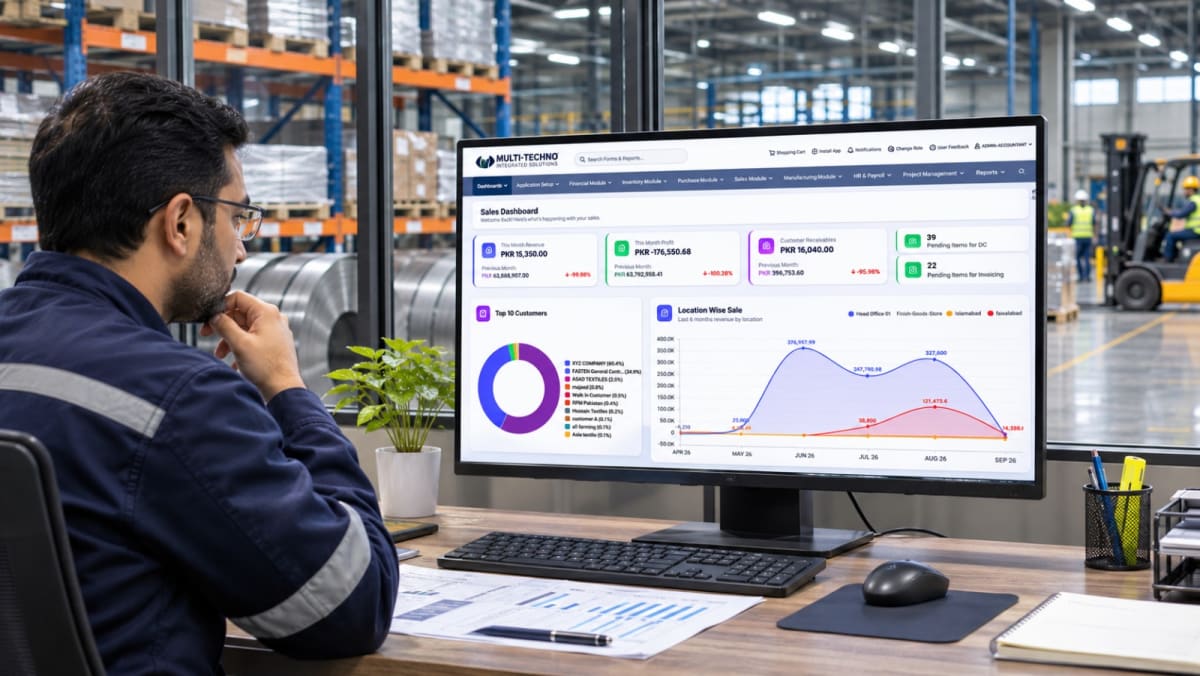
An inventory aging report can provide a useful starting point for this review. However, the report should be combined with production, purchasing, and material information before management decides what action to take.
Why Stock Age Alone Is Not Enough to Make a Disposal Decision
Disposing of inventory simply because it is old can create unnecessary losses. Some materials may be purchased in bulk for seasonal production, long manufacturing cycles, or specific customer orders. Their age alone does not establish that they have lost their value.
Before making a disposal or write-down decision, manufacturers should investigate:
Whether the material is included in active or upcoming production requirements.
Whether it can be used in another product or production line.
Whether its original specification is still valid.
Whether the material meets current quality and storage requirements.
Whether future demand justifies retaining the inventory.
Whether purchasing quantities should be adjusted to prevent further accumulation.
A decision may involve continued use, alternative use, transfer, supplier return where permitted, or a financial review. The appropriate action depends on the material and the business circumstances.
A Practical Manufacturing Example: When Purchased Raw Materials Stop Moving
Consider a manufacturer that purchases raw materials in bulk to support an expected production schedule.
Initially, the purchasing quantity is based on the planned product mix and anticipated demand. However, customer requirements change, and the production schedule is revised. Some products are manufactured less frequently, while other products become a higher priority.
The materials purchased for the original production plan are still present in the warehouse, but their consumption has slowed.
At this point, the manufacturer should not immediately classify the materials as obsolete. Instead, the inventory and production teams should investigate why the materials are no longer moving at the expected rate.
The review may reveal that some materials are still required for upcoming orders, some can be used in other products, and others no longer match current production specifications.
The situation demonstrates why inventory decisions should be connected with actual manufacturing requirements rather than based only on the original purchase plan.
How BOM Changes Affect Existing Raw Material Inventory
A Bill of Materials (BOM) defines the materials and quantities required to manufacture a product or assembly. When a product's design or material requirements change, the BOM may also need to be revised.
If purchasing decisions were based on an earlier BOM, existing raw material inventory may no longer match the latest production requirements.
For example, a manufacturer may have purchased a particular material grade for a product that later receives an engineering revision. The inventory team must determine whether the existing material remains suitable, can be used elsewhere, or requires a different decision.
Reviewing the BOM alongside existing stock helps teams understand the relationship between purchased materials and current production requirements.
Questions Inventory and Production Teams Should Ask
When reviewing aging raw materials, teams should investigate the following:
Is the material still used in active products?
Is it included in current or upcoming BOMs?
Have product specifications or material grades changed?
Can the material be used in another product or production line?
Is there an upcoming work order that requires the material?
Should future purchasing quantities be reduced?
Does the material require a quality, condition, or shelf-life review?
These questions help turn inventory aging information into practical purchasing and production decisions.
How Manufacturers Can Reduce Aging Raw Material Inventory
Reducing aging inventory requires more than clearing warehouse space. Manufacturers need to improve how they review stock, purchase materials, and connect inventory records with production activity.
Review Aging Inventory Alongside Stock Movement
Manufacturers should review aging stock regularly and compare it with inventory movement records.
A material that has remained in inventory for several months may still be moving occasionally. Another material may have had no recent consumption at all. These situations require different decisions.
Reviewing stock movement helps management understand whether inventory is being used as expected and whether purchasing or production requirements need to be reassessed.
It is also useful to understand how materials move through the actual production process. When manufacturing routing and operational stages are clearly understood, teams can better evaluate when materials are required and how inventory relates to production activity.
Align Purchasing With Actual Production Requirements
Purchasing decisions should consider existing inventory, active orders, production schedules, and expected material consumption.
Ordering materials without reviewing available stock can increase the risk of excess inventory. On the other hand, relying only on current stock quantities without checking their usability can also create problems.
A structured purchase management process helps purchasing teams consider existing stock and upcoming requirements before placing new orders.
Manufacturers should also review purchasing quantities when product demand, production plans, or material specifications change.
Connect Inventory Records With Actual Material Consumption
Inventory balances show how much material is available, but they do not explain the full picture of how materials are being used in production.
Manufacturers should connect inventory records with material issue and consumption information. Comparing planned material requirements with actual consumption helps identify differences between expected and recorded usage.
For process manufacturers, material consumption records can also help teams investigate how raw materials are used across production batches and work orders.
This information provides additional context when reviewing materials that remain in stock longer than expected.
Maintain Better Visibility Across Inventory and Production
Inventory and production teams need access to consistent information about available materials, stock movement, and manufacturing requirements.
A connected inventory management system can help businesses maintain records of inventory balances, transactions, and material movements. When this information is considered alongside production requirements, management can make better-informed decisions about existing stock and future purchases.
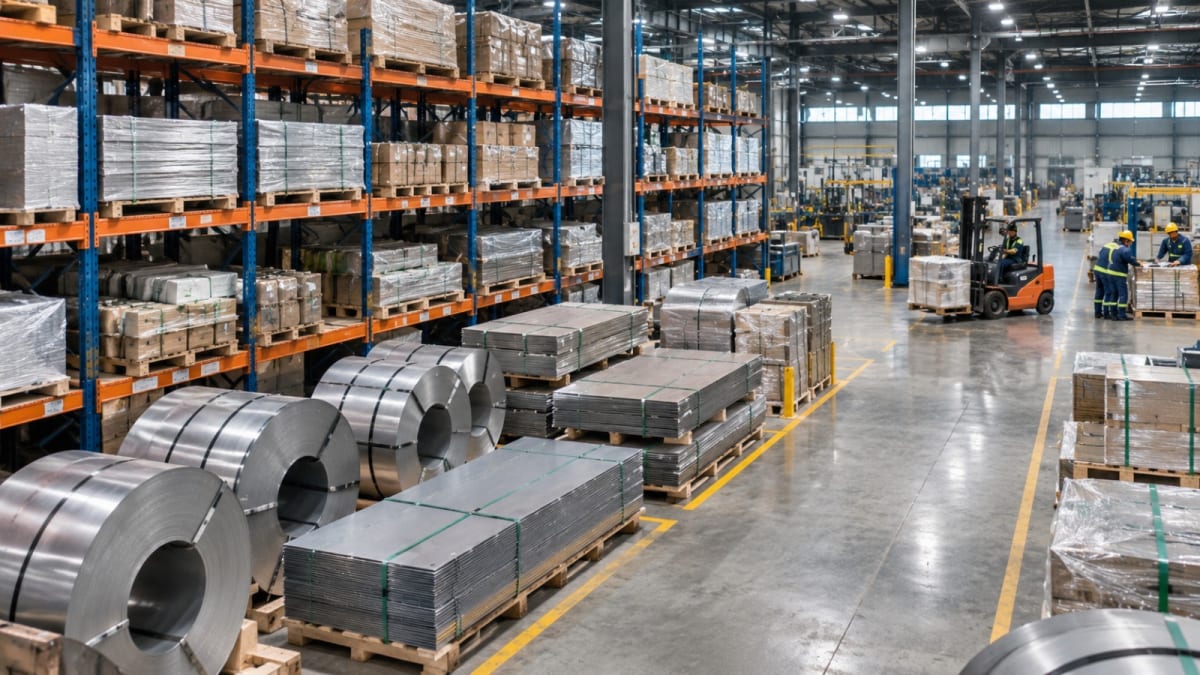
For manufacturers operating multiple stores, warehouses, or production areas, consistent inventory records are particularly important. The objective is to understand what materials are available, where they are held, and whether they can satisfy actual requirements.
How ERP Helps Manufacturers Investigate Aging Raw Material Inventory
An ERP system can help manufacturers bring inventory records, stock movement, costing, and production information into a more connected operational environment.
However, the value of ERP in this area is not simply having an aging report. Manufacturers also need supporting information that helps them investigate why materials are aging and whether those materials remain useful.
Start With the Stock Aging Report
Multi-Techno's Inventory module includes a Stock Aging report that manufacturers can use as a starting point for reviewing aging inventory.
Rather than looking only at total stock quantities, management can use stock aging information to identify inventory that deserves further investigation.
The next step is to review the relevant materials against their stock movement, current requirements, and production usage. This helps teams determine whether older stock is still required or whether purchasing and inventory decisions need attention.
The exact report fields, aging buckets, and calculation rules should be evaluated from the actual report configuration rather than assumed.
Investigate Stock Movement Through Inventory Reports
Multi-Techno provides several inventory reports that can support a broader review of stock position and movement, including:
Item Ledger: For reviewing item-related inventory transactions.
Stock Movement: For examining inventory movement.
Stock Movement Details: For reviewing movement information in greater detail.
Store-wise Closing Balance: For reviewing closing inventory balances across stores.
Items Detail Ledger: For examining detailed item ledger information.
These reports provide supporting inventory information that can be considered alongside stock aging results.
For example, when a material appears to have remained in inventory for an extended period, the inventory team can investigate its movement and closing balance before discussing the next action with purchasing or production.
Review LOT/Batch Balances and Inventory Costing
Material identification and valuation are also important when investigating raw material inventory.
Multi-Techno includes LOT/Batch Balances and inventory costing-related capabilities, including Update Cost Rates, Item Costing, and Inventory Revaluation.
These capabilities provide additional inventory and financial information that can support material reviews.
For manufacturers dealing with lot- or batch-controlled materials, reviewing batch balances can help them understand the inventory position associated with specific lots or batches. Costing and revaluation information can also support financial review of inventory.
These records should be considered alongside the material's actual condition, specifications, and production requirements. Inventory records alone do not establish whether a material is still suitable for use.
Connect Inventory Findings With Production Requirements
After identifying aging inventory, manufacturers need to determine whether the materials are still required for production.
Multi-Techno's production management capabilities include Bill of Materials, Material Planning Sale Order Wise, Material Planning Work Order Wise, Material Consumption, Actual vs. Plan Consumption Summary, and Daily Actual vs. Plan Consumption Report.
These capabilities are relevant because inventory decisions should be evaluated against actual manufacturing requirements.
For example, a material that appears to have limited movement may still be required for an upcoming work order. Reviewing production planning and material consumption information can provide additional context before the business decides whether to retain, use, or reassess that inventory.
By reviewing inventory and production information together, manufacturers can make more informed decisions instead of treating stock aging as an isolated warehouse issue.
A Checklist for Reviewing Aging Raw Material Inventory
Manufacturers can use the following checklist as part of a regular inventory review:
Identify raw materials that have remained in inventory for an extended period.
Review their stock movement and current balances.
Compare available quantities with active and upcoming production requirements.
Check whether current BOMs or product specifications have changed.
Review LOT or batch information where applicable.
Assess material condition and shelf-life requirements where relevant.
Evaluate the financial value and storage implications of excess materials.
Coordinate decisions between inventory, purchasing, production, and finance teams.
Review future purchasing requirements to avoid unnecessary accumulation.
Record the decision and schedule a follow-up review.
The purpose of this checklist is not to classify every old material as excess or obsolete. It is to ensure that inventory decisions are based on current business requirements and reliable information.
Final Thoughts: Don't Let Aging Inventory Remain Invisible
Aging raw material inventory is not always a sign of poor inventory management, and older stock is not automatically obsolete. However, materials that remain in storage without regular review can tie up working capital, occupy warehouse capacity, and create purchasing or production planning challenges.
Manufacturers should evaluate stock age alongside inventory movement, material specifications, BOM requirements, and actual production needs. A stock aging report can help identify materials that require attention, while supporting inventory and production records provide the information needed to investigate them.
A connected manufacturing ERP system can make this review more structured by bringing inventory, costing, stock movement, and production information into the same operational environment.
For manufacturers looking to improve inventory visibility and connect material records with production requirements, Multi-Techno provides manufacturing ERP capabilities designed around business-specific manufacturing operations. You can contact the Multi-Techno team to discuss your manufacturing requirements and request a manufacturing ERP demo.
Frequently Asked Questions
1. What Is Aging Raw Material Inventory?
Aging raw material inventory refers to materials that have remained in stock for an extended period. It helps manufacturers identify inventory that may require further review based on stock movement, current production requirements, material condition, and usability.
2. How Does a Stock Aging Report Help Manufacturers?
A stock aging report helps manufacturers review how long inventory has remained on hand. It can support the identification of older stock and provide a starting point for investigating slow-moving, excess, or potentially obsolete materials.
3. What Is the Difference Between Slow-Moving and Obsolete Inventory?
Slow-moving inventory refers to materials that are consumed or issued less frequently than expected. Obsolete inventory refers to materials that are no longer suitable or required for their intended purpose. Slow-moving stock may still have future use, while obsolete stock may require a different business decision.
4. Why Does Aging Raw Material Inventory Increase Manufacturing Costs?
Aging inventory can tie up working capital, occupy warehouse space, increase storage and handling requirements, and create additional inventory management work. It can also lead to unnecessary purchasing when existing materials are not properly considered.
5. How Can Manufacturers Reduce Excess Raw Material Inventory?
Manufacturers can reduce excess inventory by regularly reviewing stock movement, aligning purchasing with production requirements, checking current BOMs and specifications, and connecting inventory records with actual material consumption.
6. Can ERP Software Help Identify Aging Inventory?
Yes. ERP software with inventory reporting capabilities can help manufacturers review stock aging, inventory balances, stock movement, and related costing information. Production planning and material consumption records can provide additional context for deciding whether older materials are still required.
7. Does Old Raw Material Always Become Obsolete?
No. Old raw material may still be usable and required for future production. Manufacturers should evaluate its condition, specifications, stock movement, and current or upcoming production requirements before classifying it as obsolete.