Managing Engineer-to-Order Projects: From Estimate to Production
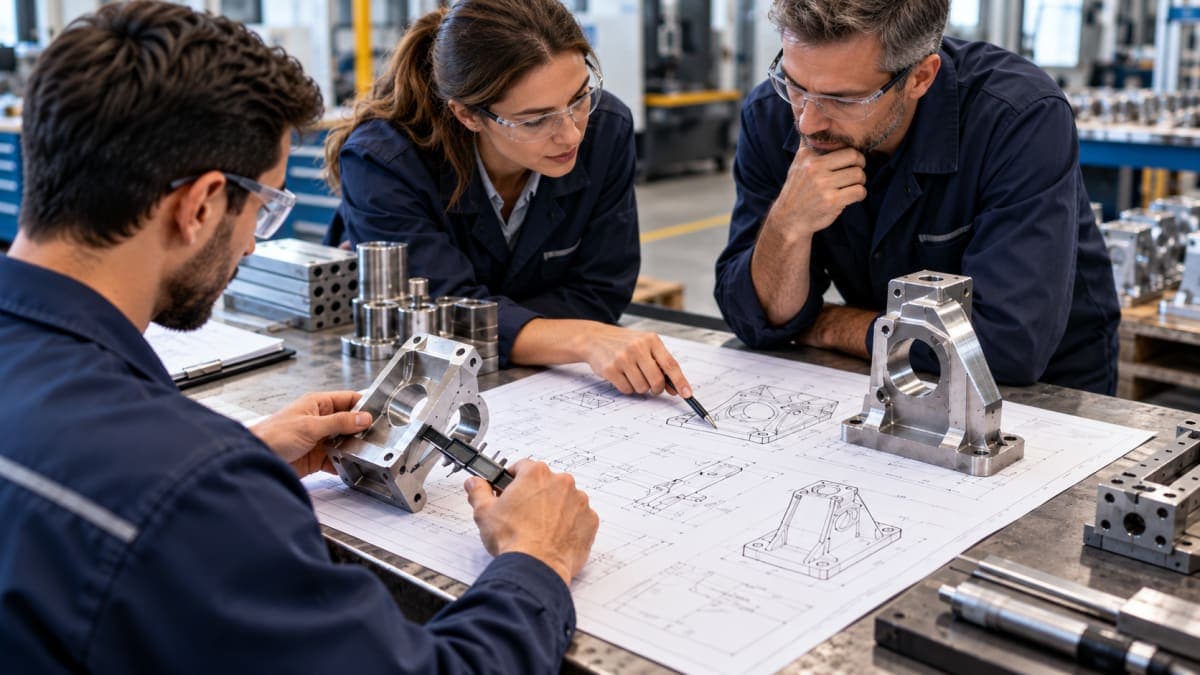
When a manufacturer accepts an order for a custom-engineered product, the work is only beginning. The team may still need to finalize technical requirements, estimate material and labor costs, coordinate purchasing, allocate resources, and prepare the production plan.
This is what makes engineer-to-order (ETO) manufacturing different from producing standard products. Each order can introduce new requirements, and decisions made during engineering can affect the project's budget, material availability, and production schedule.
Without a coordinated workflow, sales may work from one estimate, engineering may maintain separate design records, procurement may lack confirmed material requirements, and production may wait for information before starting the job.
Engineer-to-order software helps manufacturers coordinate these activities by connecting project planning, material requirements, procurement, production, and financial tracking. The goal is not to eliminate every change in a custom project. It is to make those changes easier to assess and manage before they create avoidable delays or costs.
What Is Engineer-to-Order Manufacturing?
Engineer-to-order manufacturing is a production approach in which a product is designed or substantially engineered to meet a customer's specific requirements. The final product structure, materials, and manufacturing activities may not be fully established when the initial estimate is prepared.
Consider a manufacturer receiving an order for a custom industrial machine. The customer specifies its operating capacity, dimensions, materials, and other technical requirements. Engineers must develop the design, determine the components, and establish how the machine will be manufactured.
The resulting project may require a unique combination of materials, purchased components, fabrication, assembly, and testing.
As explained in Total ETO's guide to engineer-to-order manufacturing, ETO projects involve close collaboration between customers and engineering teams, with product requirements developing as the design progresses.
Engineer-to-Order vs. Make-to-Order
The distinction matters when selecting manufacturing software.
Engineer-to-order: The product design or engineering requirements are developed for the individual order.
Make-to-order: Production begins after an order is received, but the product design and manufacturing requirements are generally already established.
An ETO manufacturer therefore needs to manage both the commercial order and the engineering work required to fulfill it.
That adds complexity to estimation, project planning, purchasing, and production coordination. A useful ERP workflow must account for these activities instead of assuming every customer order follows an unchanged production template.
1. Build the Estimate Before Committing to the Project
An ETO project often begins with a customer enquiry, request for quotation, or proposal. At this stage, the manufacturer needs to determine whether the requested product can be delivered within the expected budget and timeframe.
However, the complete design may not yet exist. Estimators may need to work with preliminary specifications, previous project information, estimated labor, and provisional material requirements.
Identify the Main Cost Elements
Depending on the product and manufacturing process, the estimate may include:
Engineering and design effort
Raw materials and purchased components
Fabrication, machining, and assembly labor
Subcontracted operations
Inspection, testing, and finishing
Project-specific equipment or resource requirements
Packaging, transportation, and other agreed expenses
Not every cost will be confirmed at the quotation stage. The important thing is to distinguish known costs from assumptions and identify which unresolved requirements could affect the final estimate.
For example, if a custom machine requires a specialist component with a long supplier lead time, both its price and availability may influence the project quotation and proposed delivery schedule.
Historical project costs can also improve future estimates. Comparing completed projects with similar requirements helps manufacturers understand where the original estimates differed from actual material usage, labor, or subcontracting costs.
For a deeper look at the relationship between material requirements and cost calculations, see How a Bill of Materials (BOM) Improves Manufacturing Costing Accuracy.
The purpose of project estimation is not to predict every expense perfectly. It is to establish a defensible starting point against which the project's actual financial performance can be reviewed.
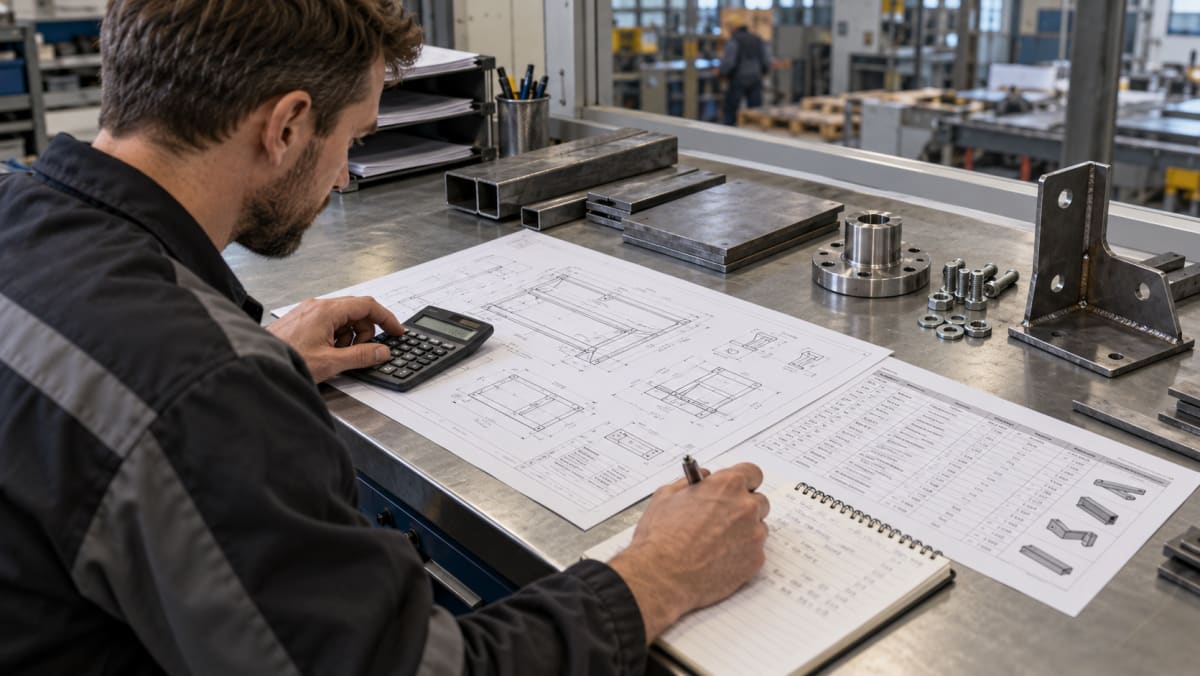
2. Convert the Approved Order Into a Project Plan
Once the customer approves the proposal, the manufacturer needs to turn the agreed scope into coordinated work.
A customer order alone does not tell every department what must happen next. The project needs defined activities, responsibilities, material requirements, and milestones.
Establish the Main Project Phases
A custom manufacturing project might follow this sequence:
Confirm customer requirements and project scope.
Develop and review the engineering design.
Establish the bill of materials and manufacturing requirements.
Identify material needs and initiate procurement.
Prepare and execute production activities.
Complete assembly, inspection, and testing.
Review costs and complete the agreed handover.
The exact sequence depends on the product. Some procurement activities may begin before the design is fully complete, provided the relevant requirements are sufficiently confirmed and the business accepts the associated risk.
The project plan should make dependencies clear. If manufacturing cannot begin until a design is approved, that dependency should be visible to the people responsible for scheduling the work.
Keep Tasks and Project Financials Connected
Project planning becomes more useful when operational progress can be reviewed alongside project costs.
For example, a manager may need to know whether engineering tasks are progressing, whether material requirements have been raised, and how much has been spent against the project budget.
Multi-Techno's Project Management module lists project setup, task-calendar and task-status tracking, bill-of-quantities (BOQ) status, material requisitions, and project-wise financial reporting.
These capabilities are relevant to ETO businesses because the commercial estimate must eventually become a manageable project with trackable activities and expenses.
3. Connect Engineering Requirements With Material Planning
One of the most difficult parts of engineer-to-order manufacturing is managing materials while the product requirements are still being finalized.
Engineering determines which components are needed. Procurement needs enough information to source them. Production needs the correct materials before the relevant work can begin.
If these departments operate from disconnected records, a design revision may not be reflected in the purchasing plan quickly enough.
Establish the Bill of Materials
A bill of materials (BOM) defines the components, materials, and quantities required to manufacture a product or assembly.
In an ETO project, the BOM may develop as engineering decisions are made. Some items may be confirmed early, while others depend on later design approvals.
Manufacturers should establish how their workflow handles:
Confirmed and provisional material requirements
Components that need long purchasing lead times
Quantities required for individual assemblies
Changes to material specifications
Materials already ordered or received
Outstanding requirements that could affect production
A BOM is not simply a purchasing list. It provides a structured description of what is required to build the product.
For a broader explanation of how this structure connects with production, read Custom Manufacturing ERP for Complex Production Processes.
That article covers the manufacturing structures used to support different products and production methods. The focus here is the project-level challenge: making sure material decisions remain aligned with the estimate, purchasing activity, and planned work.
Track Requirements Through Procurement
Once the material requirements are established, procurement needs visibility into what must be purchased and what is already available.
A practical workflow distinguishes between a material requirement, a purchase requisition, a purchase order, and a receipt. Each represents a different stage; raising a requisition does not mean the material has arrived.
This distinction helps the project team identify outstanding items before they delay a production activity.
Multi-Techno's Inventory Management solution provides the relevant stock-management context for checking inventory and material movements. Manufacturers should assess how their intended configuration connects project requirements with procurement and inventory records.
4. Manage Engineering Changes Before They Disrupt Production
Changes are a normal part of many ETO projects. A customer may revise a specification, engineering may identify a technical issue, or a component may need to be replaced.
The risk is not simply that a change occurs. The risk is that its consequences are not assessed across the rest of the project.
For example, a revised component specification may affect material quantities, supplier orders, manufacturing operations, project costs, and the completion date.
Establish a Clear Change-Review Process
Before an affected activity proceeds, the team should establish:
What requirement or specification has changed?
Which materials, components, and project tasks are affected?
Have any relevant materials already been ordered or issued?
Does the change affect the estimate or remaining budget?
Will the production plan or expected completion date need to change?
Who must review and approve the change?
This process helps prevent departments from continuing to work from different assumptions.
The required level of control depends on the business. Some manufacturers may need formal engineering change orders and revision-controlled drawings. Others may primarily need documented project decisions and updated material requirements.
Do not assume every ERP automatically manages engineering revisions or integrates with CAD software. Those capabilities vary by product and configuration and should be verified during vendor evaluation.
For a vendor-side explanation of these requirements, COUNTERPART ERP's engineer-to-order guide discusses the coordination challenges that arise when designs, BOMs, procurement, and production change throughout a custom manufacturing project.
The practical lesson is to establish how changes are recorded, reviewed, and communicated before choosing software to support the process.
5. Prepare Production Around the Actual Project Requirements
When engineering and material requirements are sufficiently established, the manufacturer can prepare the work for production.
The production team needs to understand what must be made, which materials are required, what operations must be performed, and which resources are involved.
For some ETO products, this may involve a series of fabrication and assembly operations. For others, it may involve several subassemblies, specialist processes, and testing stages.
Connect BOMs, Routing, and Work Orders
Three manufacturing elements play different roles:
BOM: Defines the materials and components required.
Manufacturing routing: Defines the operations and sequence used to produce the product.
Work order: Establishes the production job to be executed.
Together, they provide a structured basis for production planning.
For instance, a fabricated assembly may require cutting, machining, welding, finishing, and inspection. Another customer-specific product may follow a different sequence or require additional operations.
A manufacturer should be able to represent the actual process rather than forcing every custom product into one fixed production route.
The relationship between these elements is explained in Manufacturing Routing in ERP: How to Map Your Real Production Process.
That distinction becomes important when an ETO business needs to manage different product structures and production methods within the same factory.
Verify the ERP's Production Fit
During evaluation, ask the vendor to demonstrate how a representative customer order moves from approved requirements into material planning and production.
Check whether the system can represent the necessary production structure, whether the required information remains accessible to the relevant teams, and how the business records production progress.
Multi-Techno's Manufacturing ERP solution provides a starting point for evaluating its manufacturing capabilities. The exact workflow should be confirmed against the product and process your company needs to manage.
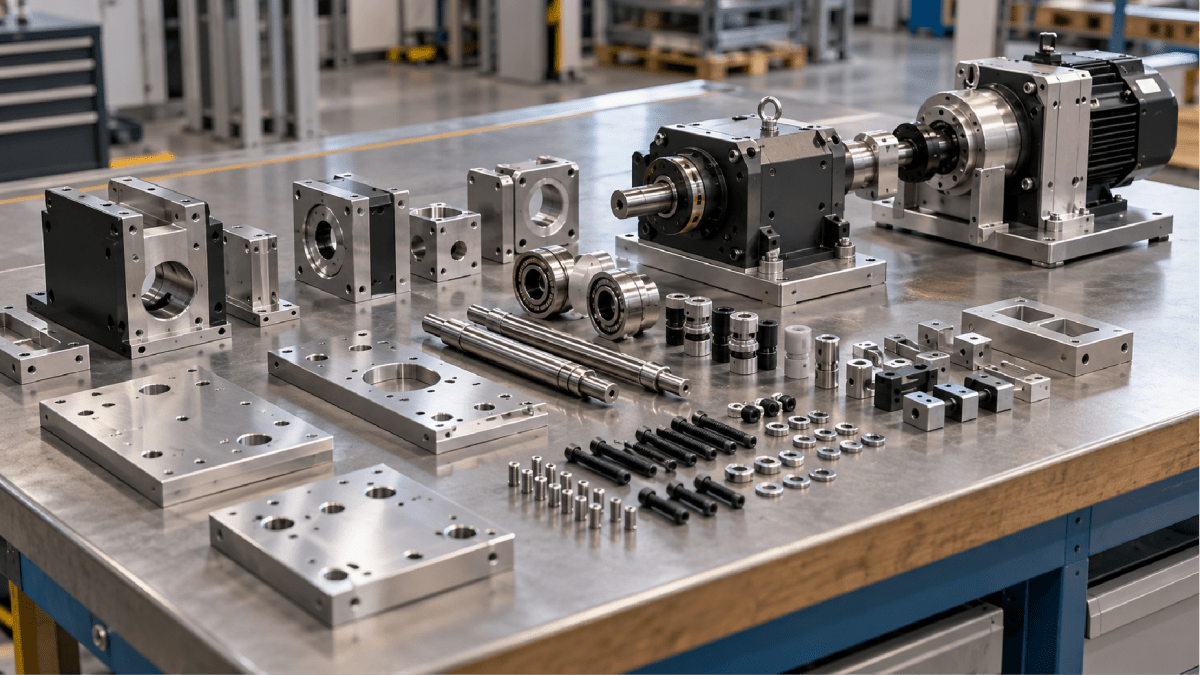
6. Monitor Actual Costs Against the Project Budget
A project can appear to be progressing while its financial position deteriorates.
Material prices may rise, additional engineering work may be required, or subcontracted operations may cost more than expected. If managers only calculate the final project cost at completion, there may be little opportunity to address the problem before the work is finished.
Review Costs as the Project Progresses
Project cost monitoring should compare the original estimate and current budget with the expenses recorded as work proceeds.
Managers should be able to investigate questions such as:
Are actual expenses remaining within the planned budget?
Which project activities are generating unexpected costs?
Have specification changes affected material or labor requirements?
Are outstanding purchases likely to affect the expected project cost?
Does the remaining work still support the expected margin?
The comparison must be meaningful: the original estimate, any approved budget revisions, actual expenses, and remaining commitments should not be confused with one another.
For example, if a project needs additional material after a customer changes a specification, the team should understand the financial effect rather than allowing the extra cost to disappear into general purchasing activity.
Multi-Techno's Engineering solution describes project estimation, phase-based planning, procurement, and budget-versus-actual cost tracking. Its Engineering ERP page provides further information about that workflow.
For ETO manufacturers, the wider objective is to review financial performance while decisions can still be made—not merely to produce a profit-and-loss figure after the project closes.
7. Choose Engineer-to-Order Software Around Your Workflow
Not every manufacturing ERP is designed for the same operating model. A business producing stable, repeatable products may have different requirements from a manufacturer that designs products around individual customer orders.
When evaluating engineer-to-order software, assess the complete workflow rather than counting features in a product brochure.
Questions to Ask Before Selecting an ERP
Estimation and project costing
Can the system record project estimates and compare actual expenses with the planned budget? Can managers review costs at the level needed to identify overruns?
Project planning
Can the team organize phases, tasks, milestones, and responsibilities? Can it review project progress without manually consolidating updates from different departments?
Material requirements and procurement
Can the business track required materials, outstanding requisitions, purchase orders, and receipts? Can it identify material requirements that could delay production?
Engineering change handling
Can users document changes and assess their effect on project requirements? If formal engineering revision control is required, can the system support it or integrate with the relevant engineering tools?
Production execution
Can the system represent the required BOMs, manufacturing operations, work orders, and production resources? Does it accommodate the company's actual manufacturing method?
Financial reporting
Can managers review project-wise expenses, income, and financial performance alongside operational progress?
Configuration and integration
Which capabilities are available out of the box, which require configuration, and which would need separate software or integration? Ask the vendor to demonstrate the distinction.
A useful evaluation should follow one realistic order from initial estimate through engineering, procurement, and production preparation. This reveals gaps that a generic software demonstration may not expose.
Frequently Asked Questions
What is engineer-to-order software?
Engineer-to-order software supports manufacturers that design or substantially engineer products for individual customer orders. Depending on the system, it may help coordinate project estimation, planning, material requirements, procurement, production, and cost tracking.
How is engineer-to-order ERP different from standard manufacturing ERP?
The main difference is the workflow the system must support. ETO manufacturing often involves order-specific engineering, evolving material requirements, and project-level cost and schedule dependencies. The ERP must accommodate those needs rather than assuming every product follows an unchanged production process.
How do manufacturers estimate costs when the design is incomplete?
They can estimate using the information available, including preliminary specifications, expected engineering effort, historical project costs, and provisional material and labor requirements. Unresolved assumptions should be identified and reviewed as more information becomes available.
Why are BOMs important in engineer-to-order manufacturing?
The BOM defines the materials and components required for a product. It helps engineering, procurement, and production work from a structured set of requirements. When those requirements change, the business needs a process for reviewing the effect on purchasing and planned work.
Can engineer-to-order ERP help track project profitability?
Depending on its capabilities and configuration, an ERP can connect project budgets with actual expenses and income, allowing managers to review financial performance as the project progresses. The evaluation should establish exactly which costs and commitments are included in the reports.
Does engineer-to-order software automatically handle engineering changes?
Not necessarily. Change records, approval workflows, revision control, and CAD integration vary by solution. Manufacturers should confirm how the software records and communicates changes and whether additional integration is required.
What industries use engineer-to-order manufacturing?
ETO is used by businesses that create products to meet specific customer requirements, including custom machinery, industrial equipment, specialized assemblies, and certain fabrication operations. The precise workflow varies by product and manufacturer.
Final Thoughts
Engineer-to-order manufacturing requires more than a quotation followed by a production order. Each project needs a coordinated path from customer requirements and estimation through engineering, material planning, procurement, and production preparation.
When those activities depend on disconnected records, changes can create unexpected costs and delays. A suitable ERP workflow can improve visibility by connecting project requirements, operational progress, and financial information.
The right choice depends on how your business actually works. Before selecting engineer-to-order software, map one representative project, identify where information currently gets lost, and verify that the proposed system can support those specific requirements.
If your company manages customer-specific engineering and manufacturing projects, contact Multi-Techno to discuss your workflow and determine which project, procurement, manufacturing, and costing capabilities can be configured for your requirements.